
When a photograph becomes a world, you know it’s Oldenburg.
- Nov 18, 2025
- 3 min read
Updated: Mar 11
There are photographers who capture moments, and then there are photographers who construct worlds. David Oldenburg belongs unapologetically to the second category. His work doesn’t simply document beauty—it refracts it, bends it, reimagines it, until the familiar becomes uncanny and the uncanny becomes irresistible. In an image economy obsessed with immediacy, Oldenburg insists on atmosphere. On mood. On transformation. And that’s exactly why he’s quickly becoming one of the defining visual storytellers of his generation.


Based in Europe but operating with the global velocity of today’s fashion vanguard, Oldenburg’s practice is anchored in a single guiding idea: beauty is never static. It moves, mutates, shapeshifts. In his hands, a face is not just a face—it’s a surface, a symbol, a vessel for emotion or fantasy. His images often feel like portals into alternate realities: hyper-clean yet sensual, digitally slick yet deeply human. It’s a tension he plays with deliberately, creating photographs that vibrate between precision and dream logic.

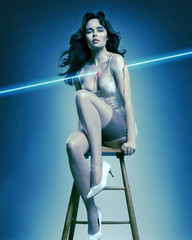






Oldenburg’s early work carried the unmistakable fingerprints of DIY experimentation. He began like many contemporary image-makers: in love with portraiture, fascinated by faces, and armed with whatever tools were available. But even in those early fragments—soft, sometimes raw, always curious—there was a sense of control. A guiding eye. A desire not just to shoot a subject, but to transform them. Over time, that instinct crystallised into his signature approach: an aesthetic defined by immaculate composition, sculptural lighting, and a digitally-informed understanding of how beauty reads in 2025 and beyond.


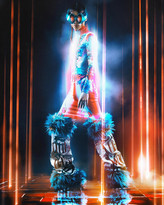


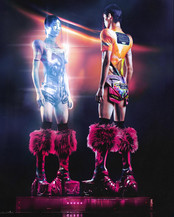


If Oldenburg has become known for one thing, it’s his ability to turn stillness into intensity. He favours close contact with his subjects—tight crops, direct gazes, skin treated like polished obsidian or glowing quartz. There’s a physicality to his images, as though each portrait is made to be touched as much as viewed. Makeup becomes architecture. Hair becomes geometry. Colour becomes temperature. And the human form becomes something elevated—structured, stylised, but never stripped of its emotional charge.


His collaborations across fashion, beauty, and culture have allowed this visual language to evolve at high speed. Designers look to him for clarity and drama. Musicians come to him for icon-making. Beauty brands approach him because he understands how to navigate the razor-thin line between hyper-real gloss and art-driven sensuality. Oldenburg’s portfolio looks like a map of where visual culture is heading: sleek futurism grounded in emotional tactility, reinforcing that aesthetic experimentation isn’t the opposite of authenticity, but one of its pathways.


What separates Oldenburg from many of his peers is his instinct for worldbuilding. A David Oldenburg shoot isn’t built around a single image—it’s orchestrated like a miniature film. Every detail matters: the texture of a cheekbone, the angle of a highlight, the line where colour fades into shadow. Even his more spontaneous work carries a sense of deliberate intention. You can feel him building narrative from the inside out. His subjects aren’t simply captured—they’re interpreted.
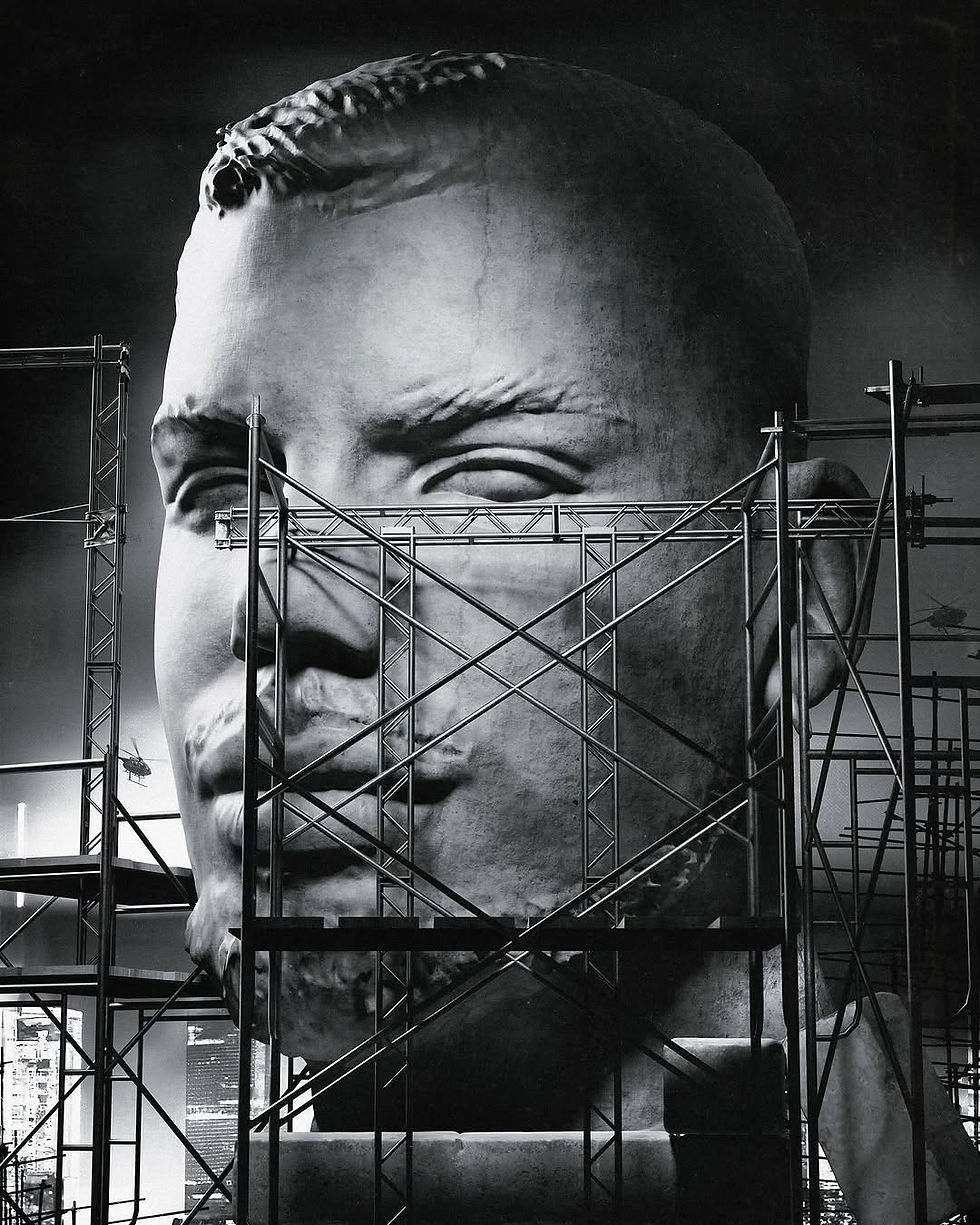
And in this era of over-edited sameness and AI-generated visual churn, interpretation is everything. Oldenburg proves that the human eye still matters. That taste still matters. That photography, at its best, is not just a record of appearance but a reading of identity. His images suggest inner lives, emotional states, psychological textures. They’re not passive—they’re activated.
Where he’s headed feels inevitable. Oldenburg is part of the new wave of visual futurists who see beauty not as perfection, but as evolution. His style is honed but never predictable. His portraits feel like artefacts from a culture still forming. And his ascent shows no signs of slowing.


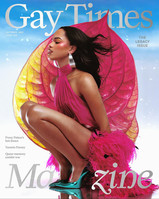


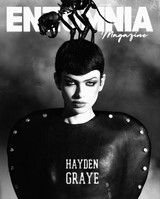

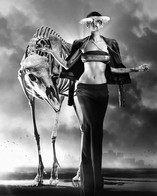


David Oldenburg isn’t just photographing the faces of now. He’s shaping the visual language of what comes next—and doing it with a clarity that makes it feel inevitable.


Comments