
POMADKA TERESA: Nightmare Fuel, But Make It Fabulous
The first thing that hits you about Pomadka Teresa’s work is that it refuses to behave. Faces disappear beneath elaborate masks. Bodies transform into strange silhouettes. Beauty mutates into something unsettling, theatrical, absurd, and completely unforgettable. It feels like drag dragged through a fever dream, filtered through performance art, internet weirdness, underground club culture, and a healthy disregard for what anyone considers “normal.” And honestly? Thank God for that.

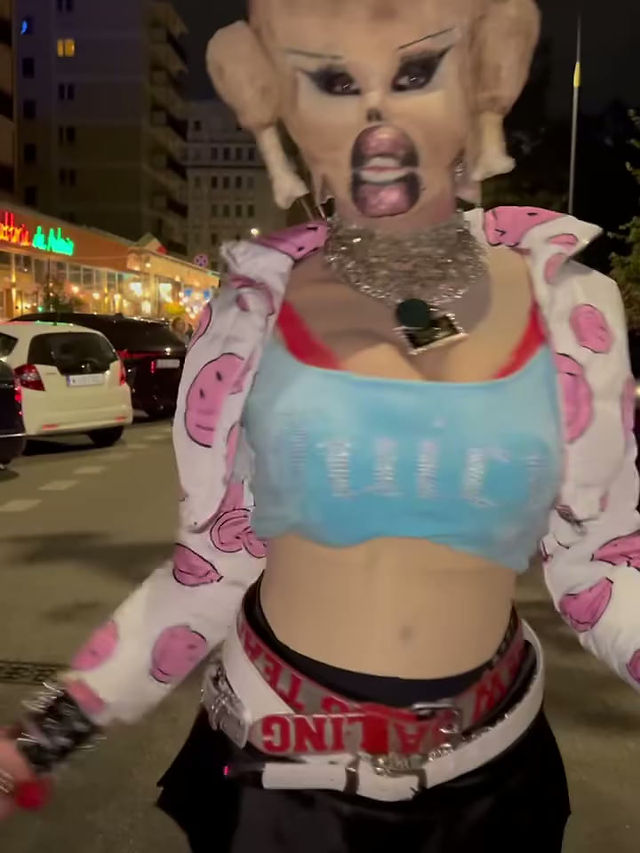
At a time when so much drag is becoming increasingly polished and commercially digestible, Pomadka Teresa pushes in the opposite direction. The work embraces discomfort. It embraces strangeness. It asks what happens when drag stops trying to be beautiful and starts becoming something far more interesting. The masks are central to that universe.

Not simply accessories, but entire identities. Grotesque faces, distorted expressions, strange creatures and exaggerated forms emerge throughout the work, transforming the performer into something almost post-human. Sometimes they feel humorous. Sometimes unsettling. Sometimes both simultaneously. They exist somewhere between sculpture, costume, performance, and hallucination. You don’t simply look at them. You remember them.

That tension between comedy and horror runs through everything Teresa creates. The performances feel ridiculous and highly intelligent at the same time. One moment you’re laughing, the next you’re questioning why you’re laughing at all. The absurdity becomes a tool — exposing how performative identity can be, how fragile beauty standards really are, and how much freedom exists once you stop trying to be understood. Because Pomadka Teresa isn’t interested in being palatable.

The work feels deeply rooted in queer underground traditions where experimentation matters more than approval. There are echoes of club kid culture, avant-garde performance, surrealist art, internet absurdism, and DIY drag scenes all colliding together into something that feels entirely its own. And visually, it’s incredible.
Every image feels like a frame from a world that shouldn’t exist but somehow does. Strange textures, exaggerated forms, unsettling smiles, handmade details — everything contributes to a visual language that feels simultaneously chaotic and precise. Nothing is random. Even the most bizarre creations carry intention. That’s what separates the work from simple shock value. There’s craft underneath the madness.
In a cultural landscape increasingly obsessed with algorithms, aesthetics, and fitting neatly into categories, Pomadka Teresa feels gloriously resistant to all of it. The work doesn’t ask for approval. It doesn’t explain itself. It doesn’t smooth out its rough edges for wider appeal. Instead, it embraces the weird.
The uncomfortable. The absurd. And somewhere between the laughter, the masks, the monsters, and the performance, Pomadka Teresa reminds us of something important: The most interesting art rarely comes from fitting in. It comes from becoming something nobody has seen before.


Comments