
NOTHING : The Alternative Tech Manifesto
Updated: Feb 28
Forget the fruit. Forget the heritage logos. Forget the annual “new” release that looks exactly like last year’s model in a slightly different shade of obligation. For too long, buying tech meant subscribing to a personality preset — the clean corporate minimalism of Apple, the maximal spec wars of Samsung, the loyalist nostalgia of Sony.
Safe. Predictable. Emotionally beige.
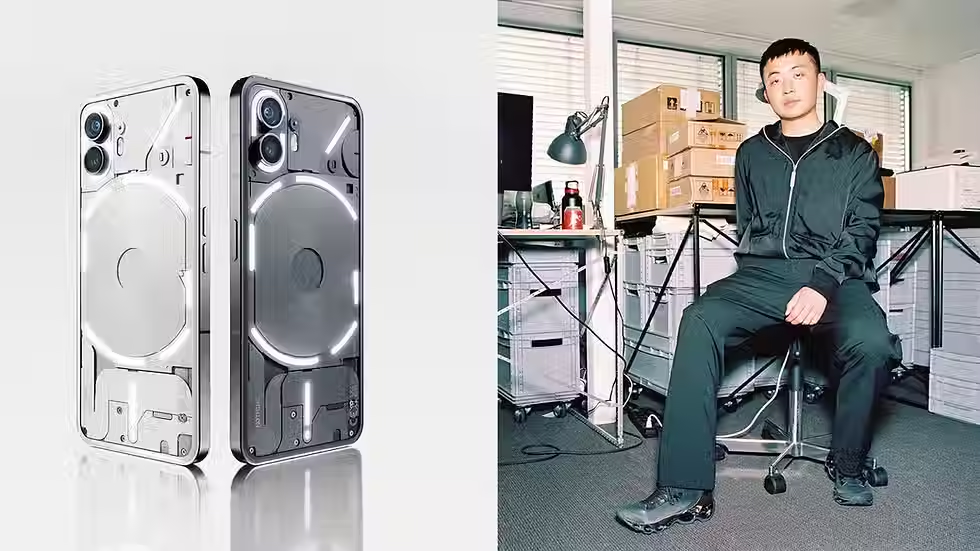
Nothing arrived and said: what if tech felt exciting again? Not just new — but culturally awake. Transparent backs. Visible screws. Glyph lights that turn your phone into a communication object instead of a black mirror of doom. It didn’t try to disappear into your life. It asked to be seen, styled, photographed, flirted with.
And that’s the shift.

Because the Phone isn’t just a device — it’s a social signal. Flip it over at dinner and it speaks in light. Place it on the table and suddenly it’s part of the look. Tech as accessory. Tech as identity. Tech as: I have taste and I’m not afraid to show it. But the real revolution is that it doesn’t stop at the phone. This is a full universe. The Ear series turned listening into a visual act — sculptural cases, architectural buds, sound for the audiophiles but energy for the image-conscious. You don’t just hear your playlist, you wear it. The over-ear headphones bring that same presence: less anonymous studio gear, more future-uniform. And then there’s CMF — the diffusion line that quietly rewrites the rules of access.
Not a watered-down version. Not an afterthought. A parallel entry point. Modular phones with swappable elements. Watches you can customise. Earbuds with tactile controls in a world that forgot buttons exist. Colour, interaction, play. In other words: design for more people.

Because the old tech model built desire through exclusion. Nothing builds community through participation. You can enter through a pair of buds, a watch, a more accessible handset — and you’re still speaking the same visual language as the flagship users. That’s radical. And a little bit fab. Even the accessories and clothing drops feel intentional — not merch, but uniforms for the creatively switched-on. The kind of pieces you imagine on a DJ in a glass booth, a digital artist rendering utopias at 3am, a kid on the night bus building their own world through playlists and moodboards.

This is alternative tech — not in a DIY, solder-it-yourself way — but in a cultural sense. A rejection of default settings. The same energy as wearing an underground designer before the conglomerates catch on. Early adoption as personal power. Because choosing Nothing reads. It reads: don’t automatically want what everyone else has.I understand design.I see my devices as objects, not just tools.

And deeper than that — it signals a different relationship to systems. The legacy giants sell seamlessness, closed loops, ecosystems that quietly decide how you live. Nothing sells presence. Transparency. Interaction. Joy.
Joy in hardware is political. (Yes, we said it.) For years, our devices have been engineered toward neutrality — frictionless, silent, invisible. But we are not neutral people. We are expressive, chaotic, hyper-visual creatures who curate our lock screens like gallery walls and treat our tech like extensions of our bodies.
Nothing understands that.

And in the Context universe — where optimism is a strategy and pleasure is a form of resistance — that matters. Because when people start making conscious choices about the objects they carry every day, they start questioning everything else too: what they consume, what they platform, what they accept as the default future.
This isn’t just about switching phones.
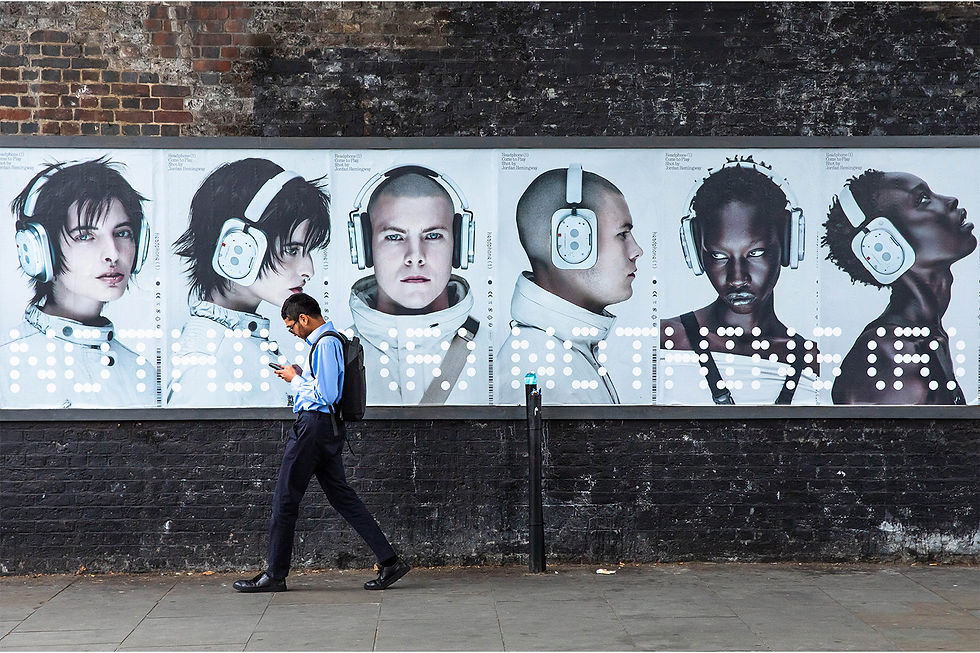
It’s about opting into a different timeline — one where technology is expressive, democratic, and emotionally intelligent. One where design isn’t a luxury language. One where innovation feels like community instead of hierarchy.
A blinking, glowing, very-cute signal that the future doesn’t belong to the same three companies who’ve been looping the same idea of progress for twenty years.
It belongs to the curious.The aesthetic.The early.The world-builders.The girls, the geeks, the night-bus philosophers, the bedroom producers, the people who still believe objects can carry meaning. And honestly? We’re never going back to boring rectangles again.
@NOTHING WWW.NOTHING.TECH


Comments