
Filip Custic: The Artist Who Made the Digital Feel Human
- Oct 20, 2025
- 3 min read
Few artists have captured the strangeness of the 21st century quite like Filip Custic. Born in Tenerife to Croatian parents, he grew up between cultures, languages, and states of being—a condition that would later define his art. Today, Custic stands among the most influential image-makers of his generation, shaping a new visual vocabulary that fuses the virtual and the physical, the beautiful and the uncanny. His work sits somewhere between sculpture, performance, photography, and digital experimentation—an ever-evolving meditation on what it means to exist in an age of screens, avatars, and algorithms.


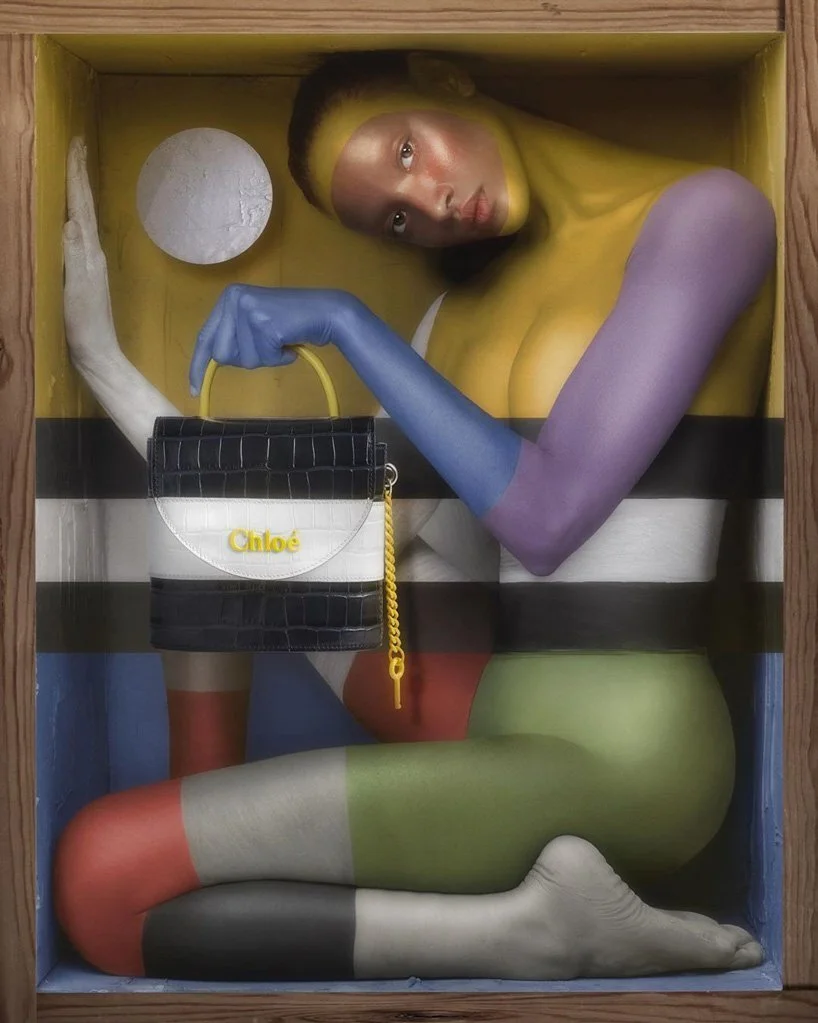

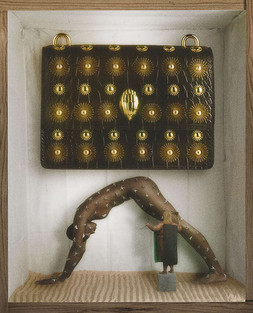


Custic’s beginnings were almost mythic in their simplicity: a teenager obsessed with taking photographs, fascinated by how a single image could hold infinite meanings. What began as experimentation quickly evolved into something more philosophical. He wasn’t just capturing moments—he was questioning reality itself. Early on, he realized that photography could be a tool for transformation, not just representation. That idea—transforming rather than documenting—became the heartbeat of his entire practice.
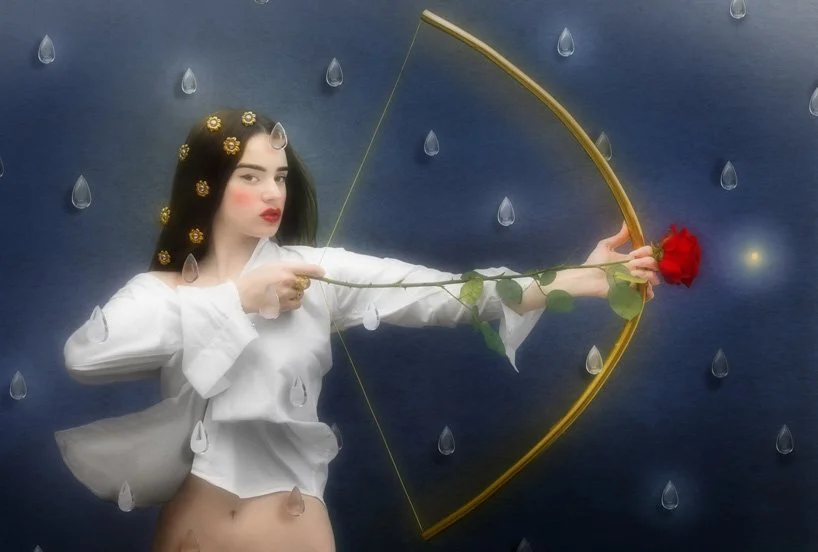

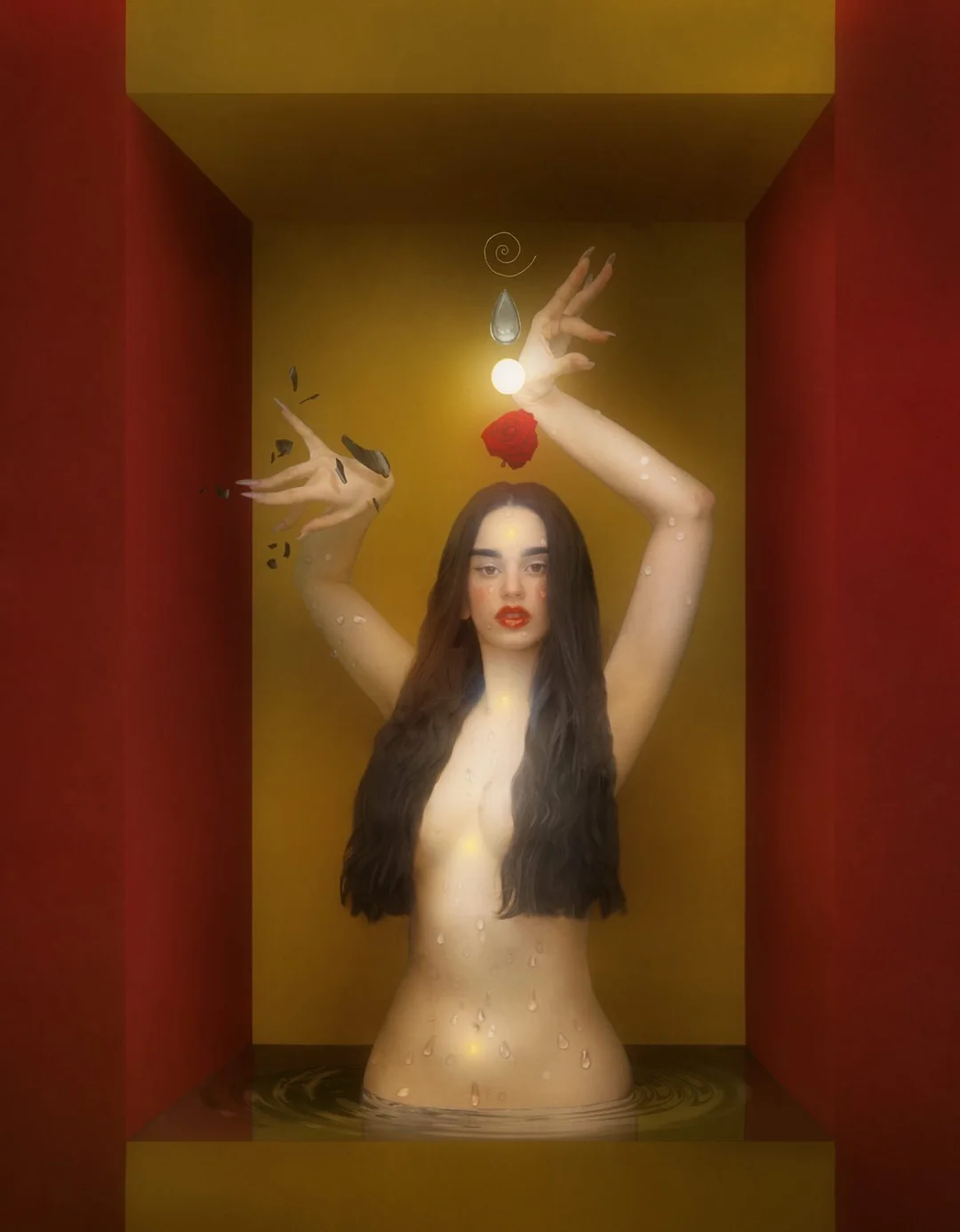
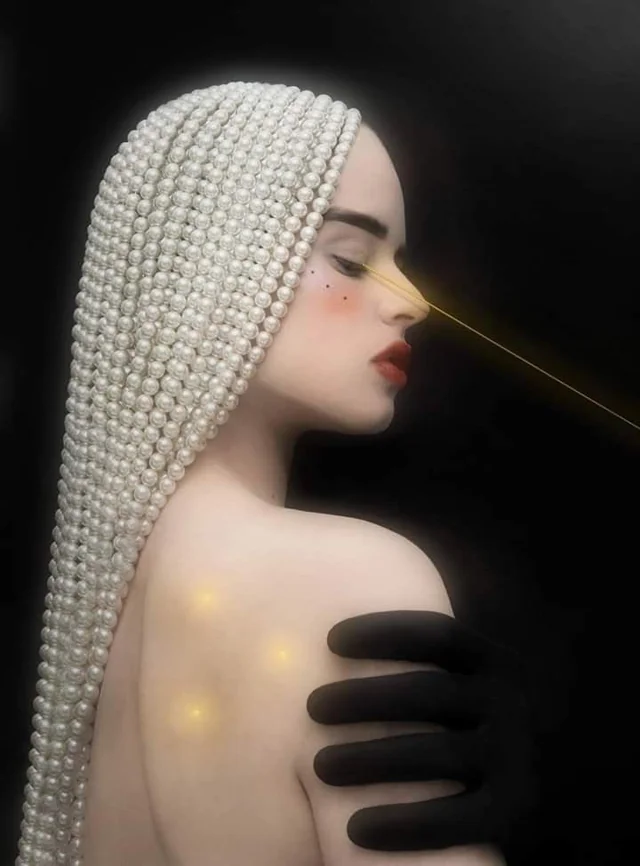

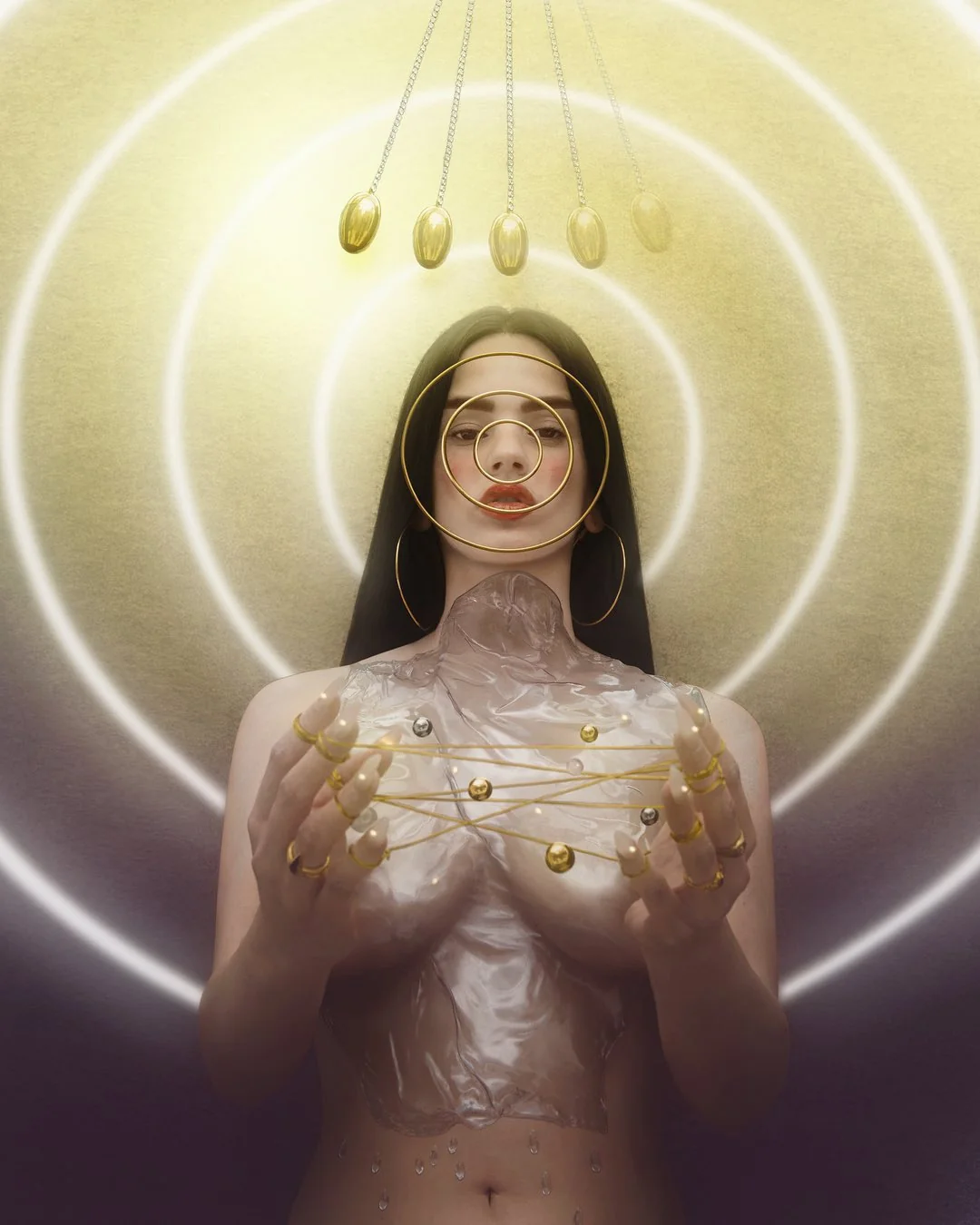
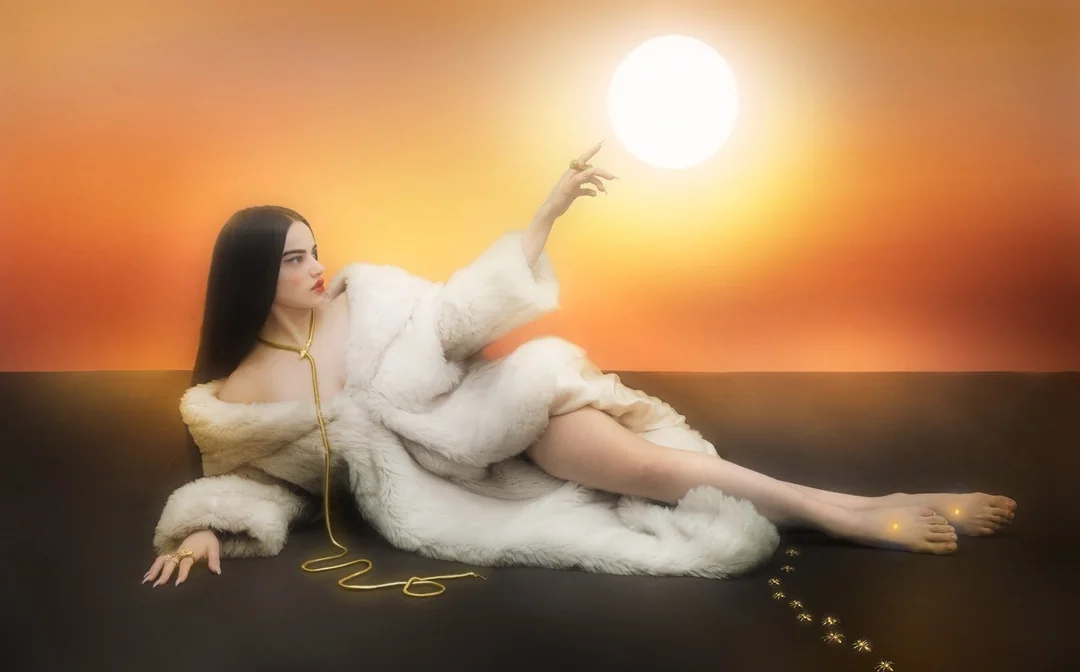
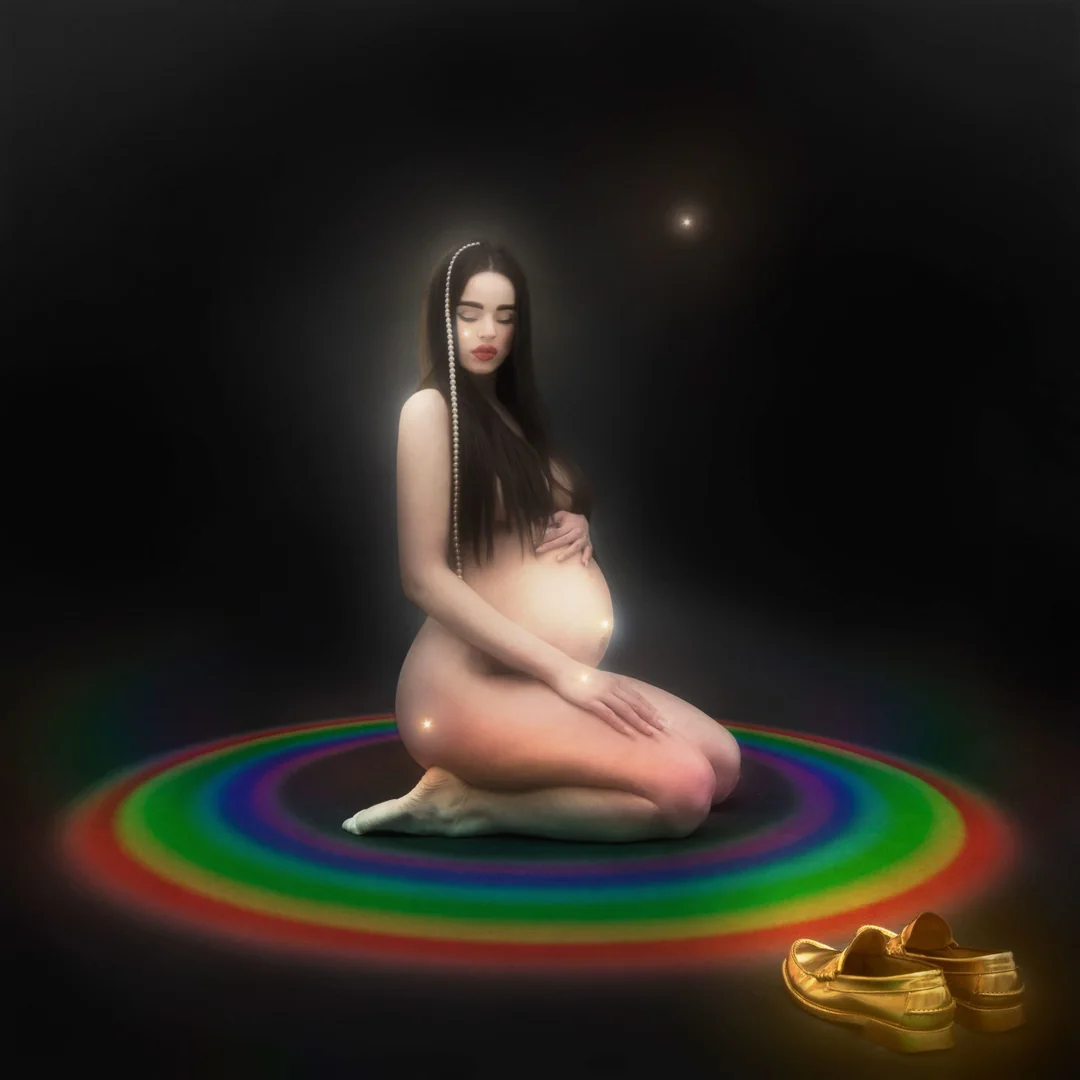
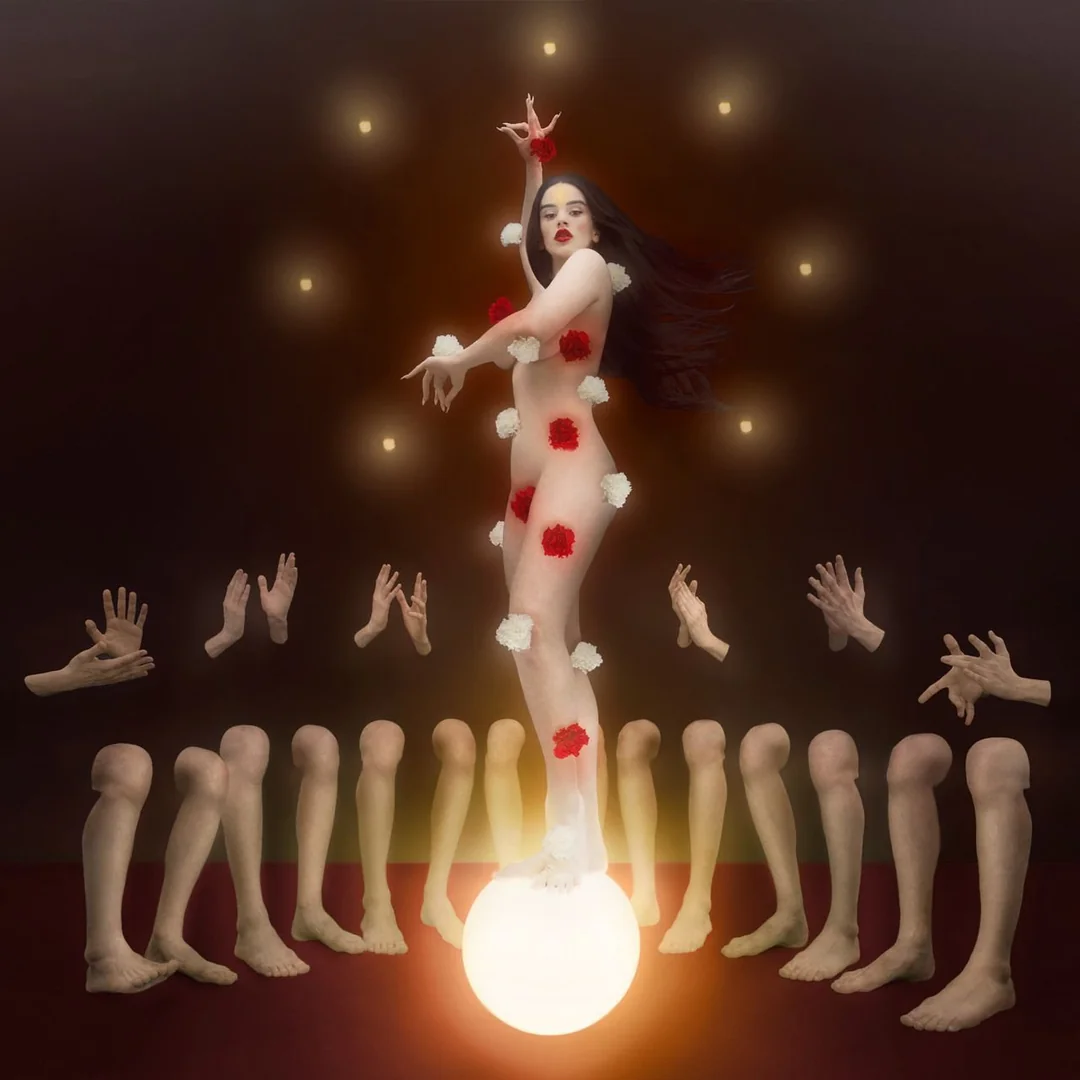
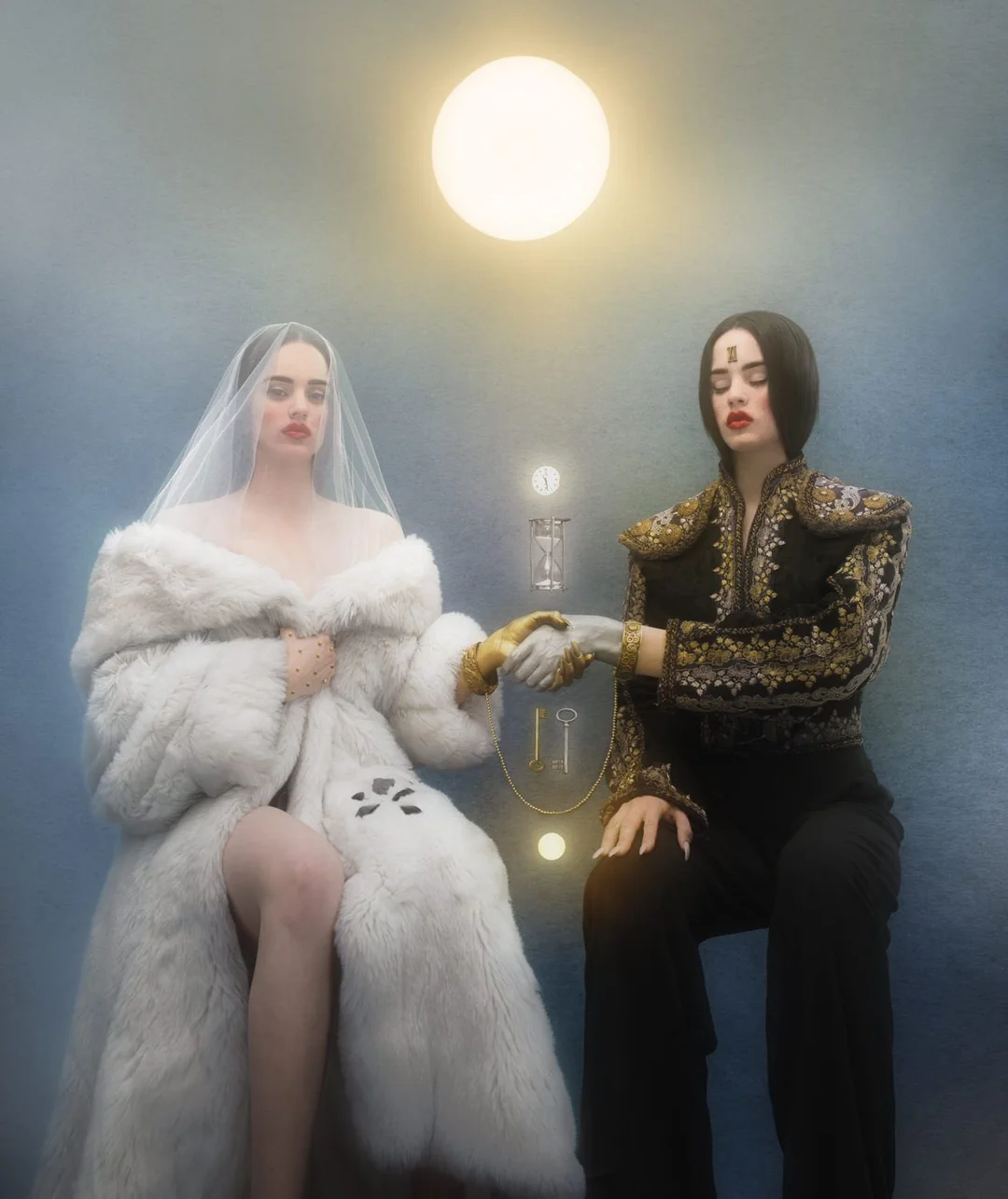
From photography, Custic expanded into performance, video, and installation. He began creating what he calls “visual equations,” combining objects, bodies, and symbols to build surreal compositions that feel both deeply familiar and utterly alien. His images don’t tell stories in the traditional sense—they provoke questions. What happens when the human body becomes a product? When emotion is rendered in pixels? When identity becomes an interface?
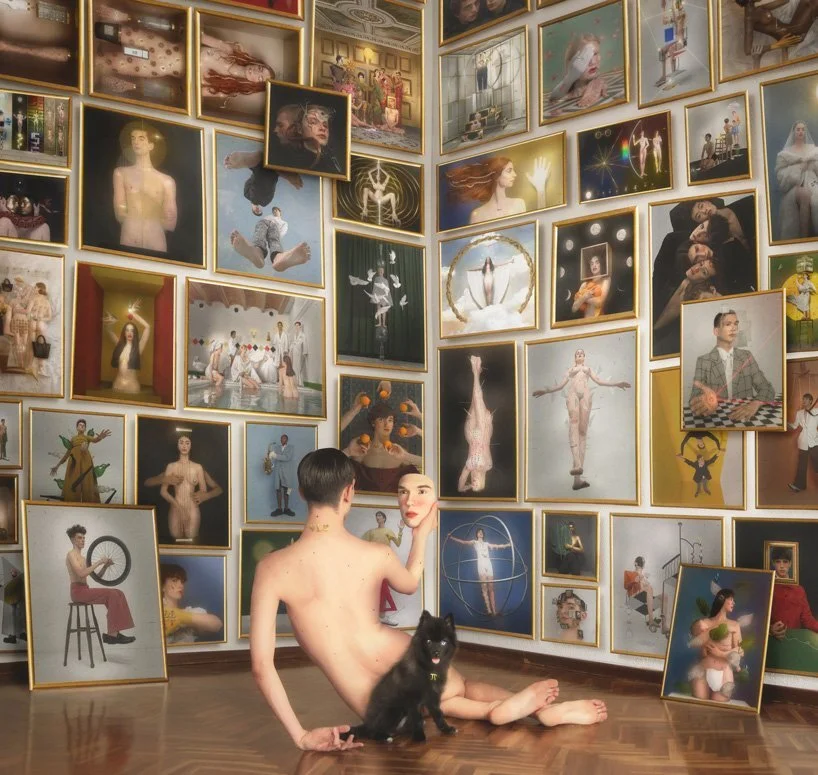
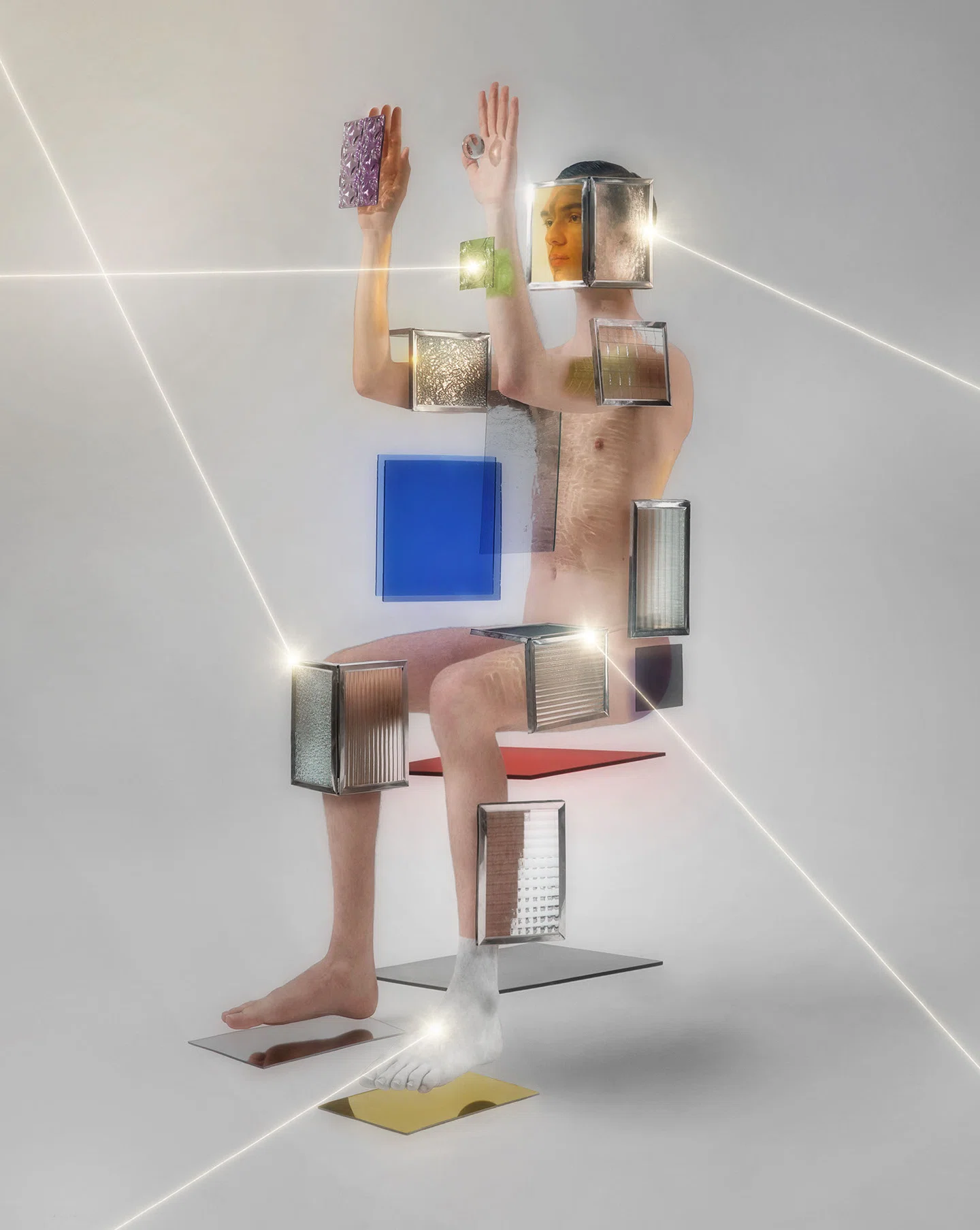
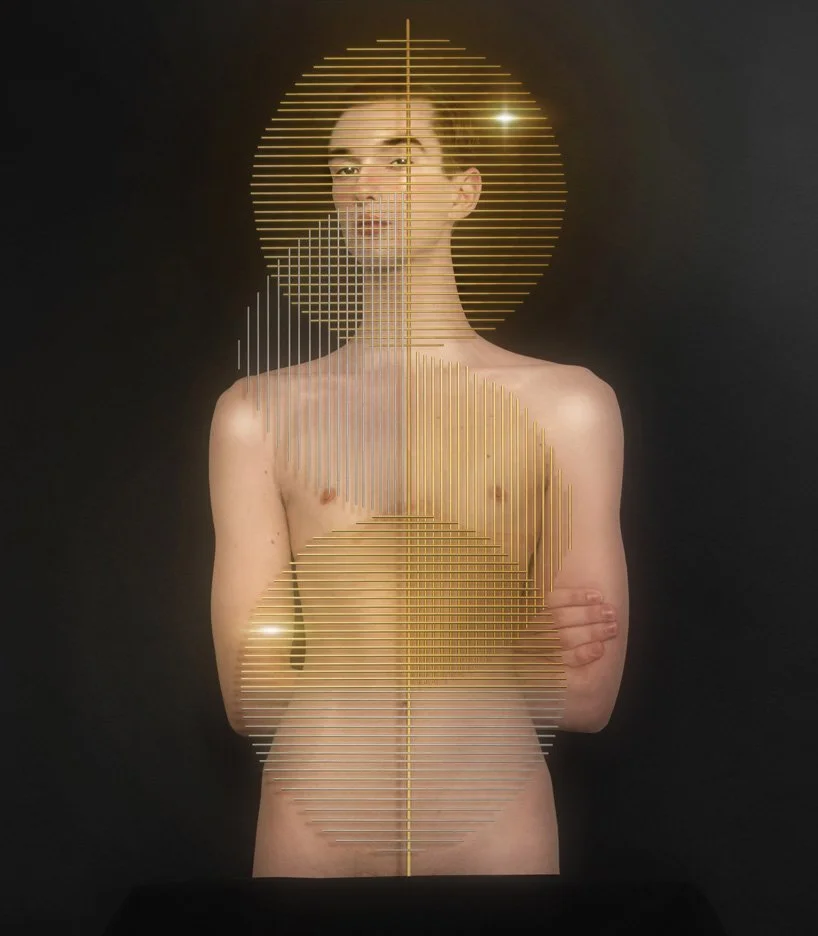


In the past decade, Custic has become synonymous with the fusion of art and technology. His creations exist across multiple realities: physical sculptures coexist with 3D renderings, performances unfold simultaneously in real life and on digital screens. He builds worlds where silicone limbs meet virtual bodies, and where human expression is filtered through the language of machines. Yet for all their digital edge, his works remain deeply emotional. Beneath the gloss and the surrealism, there’s always a pulse—an ache, a tenderness, a longing for connection.
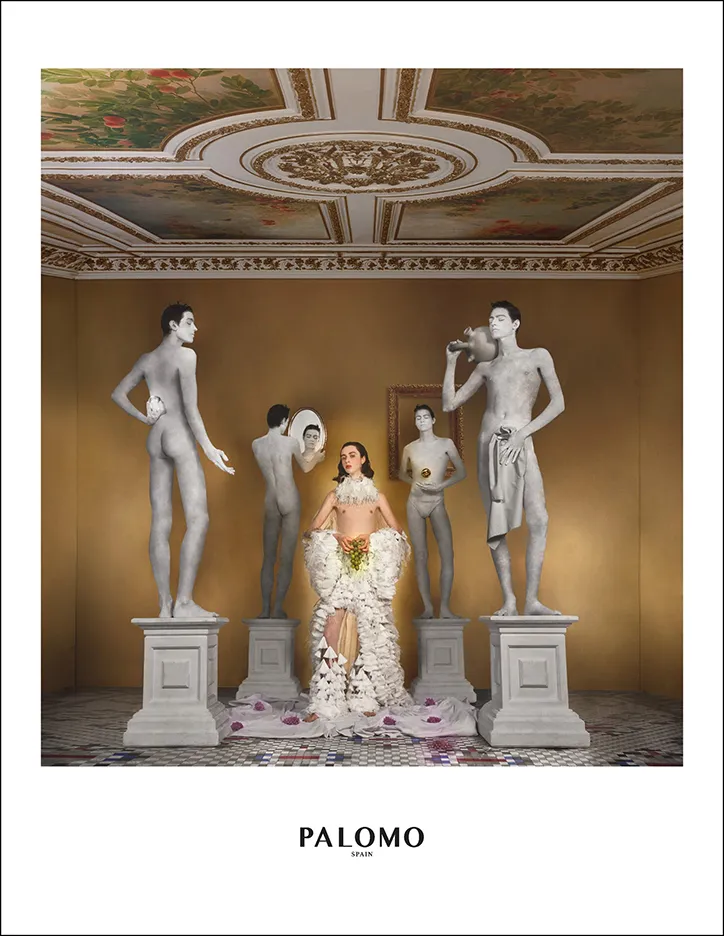
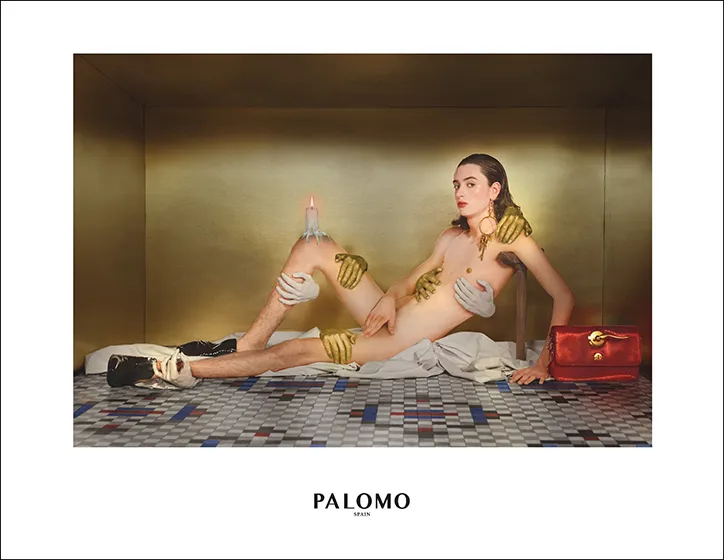
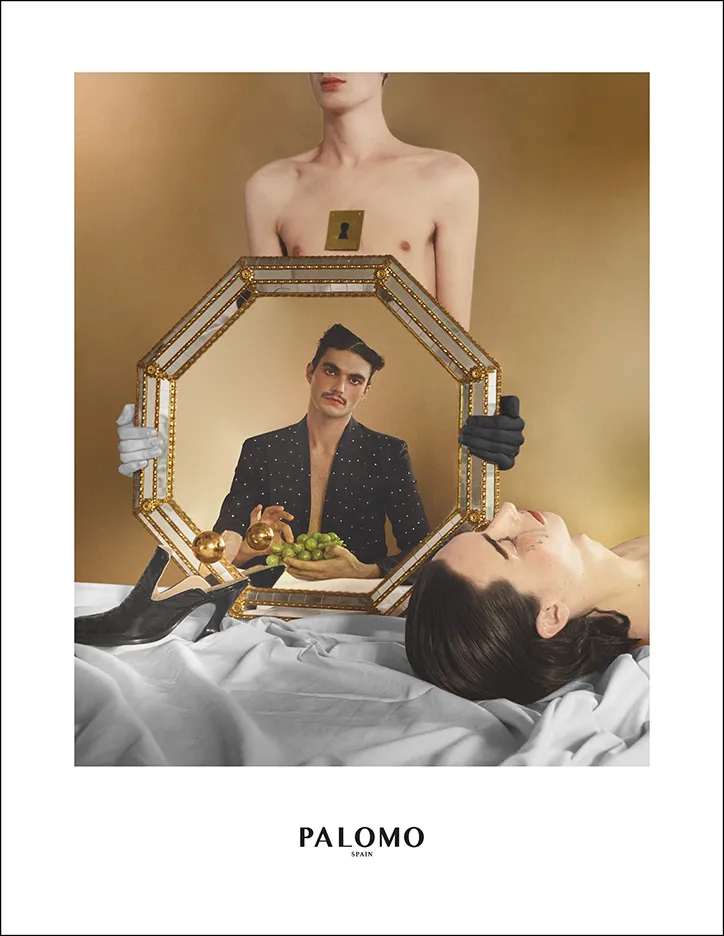
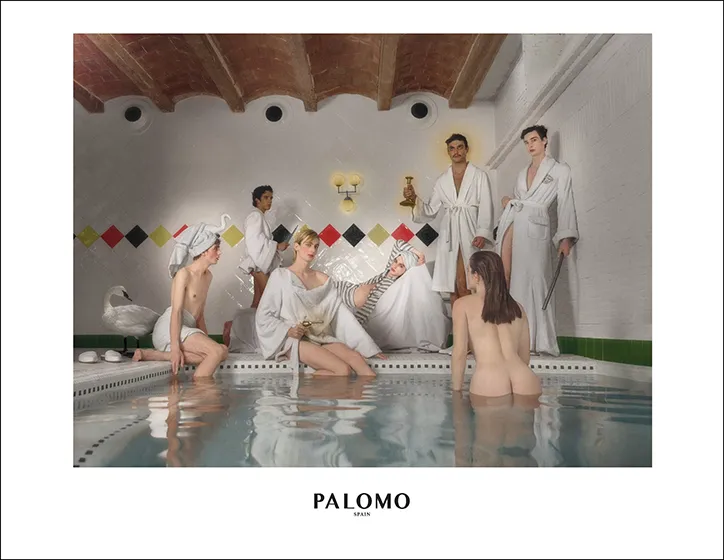
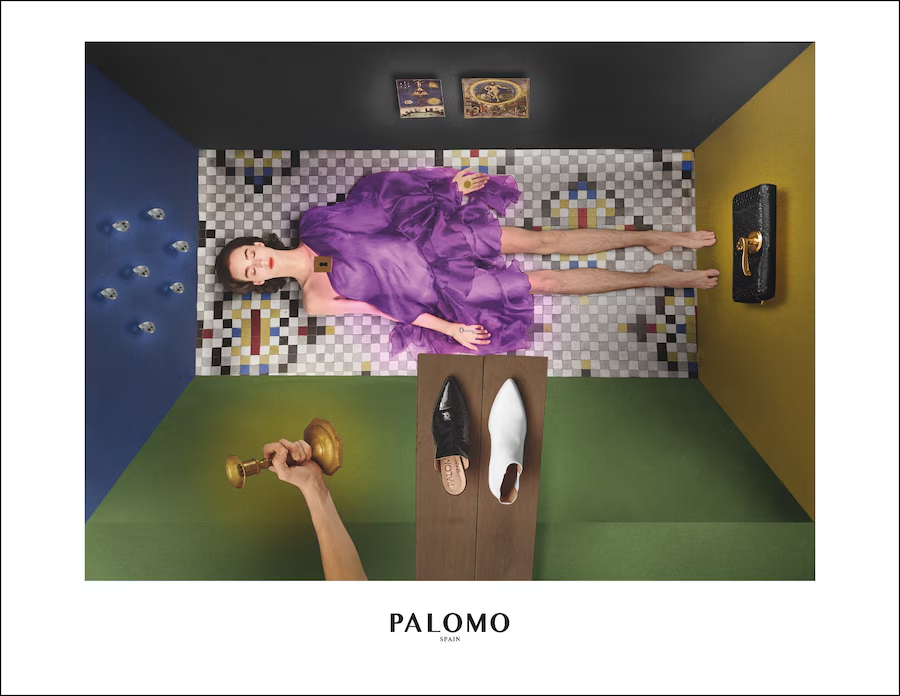

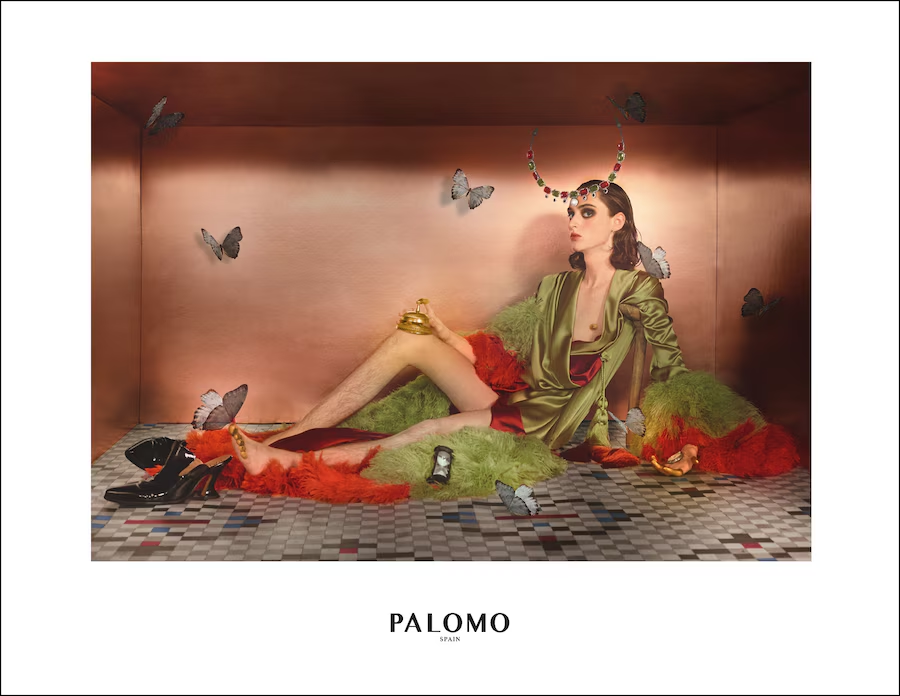
Custic’s collaborations in fashion and music helped propel his vision into the global mainstream. His visual direction for artists like Rosalía and brands like Palomo Spain introduced his aesthetic to millions: a world where Catholic iconography meets cyber aesthetics, and where traditional beauty is shattered, reassembled, and reborn. His fashion imagery often feels like performance art, each model or object treated as a vessel for meaning rather than decoration. This crossover between commercial work and conceptual art has made him a bridge between worlds—the museum and the internet, the editorial and the existential.

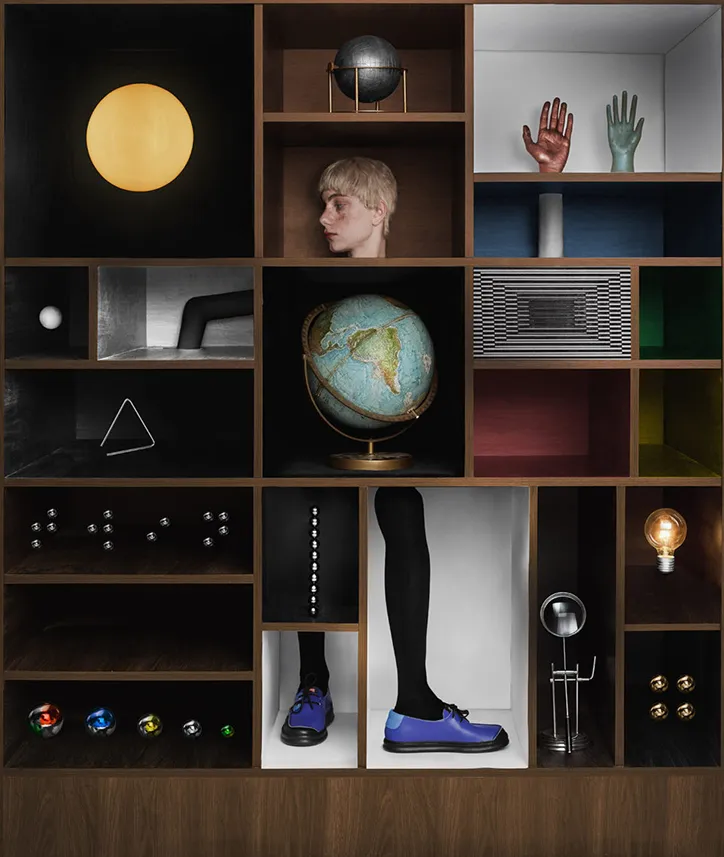
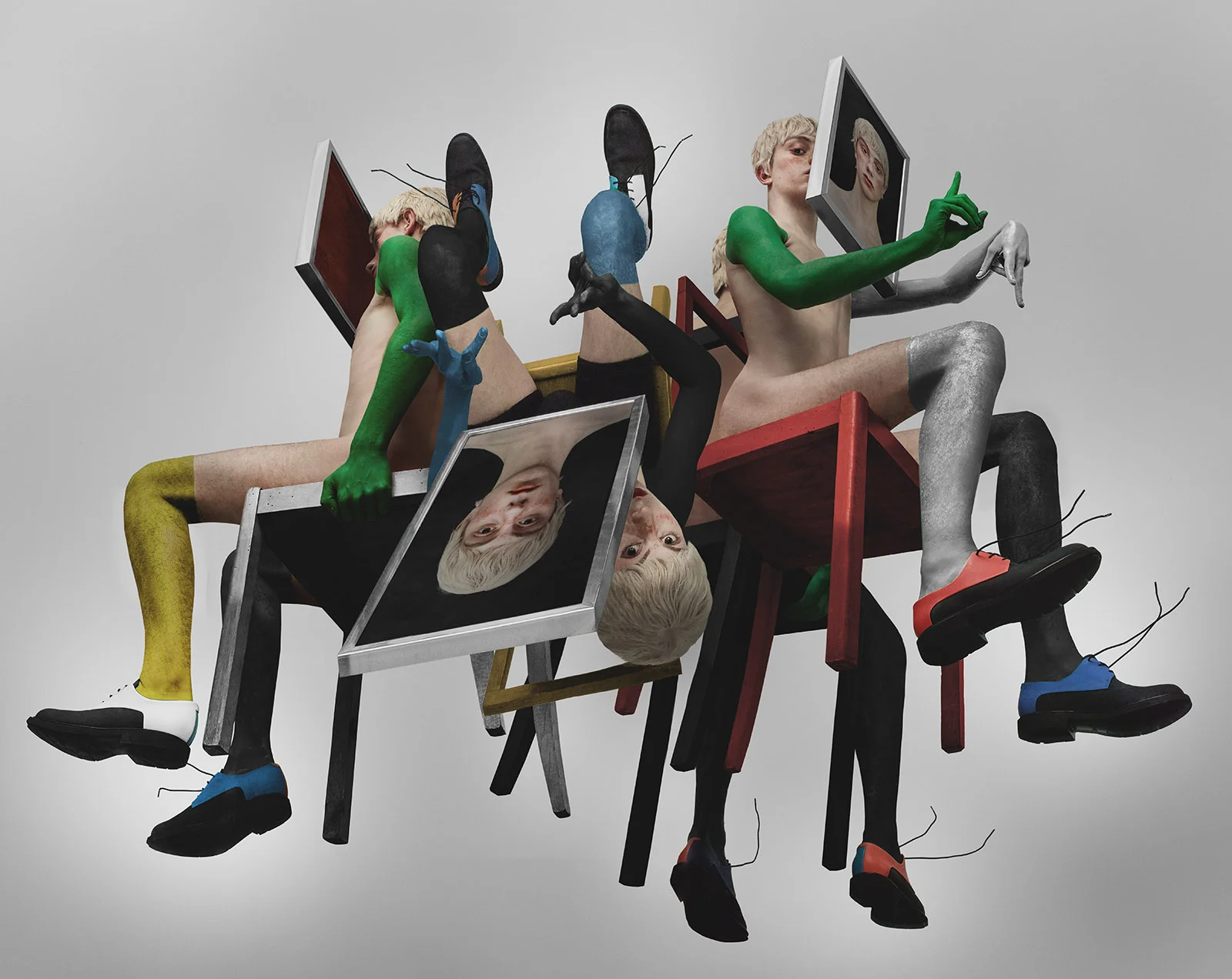


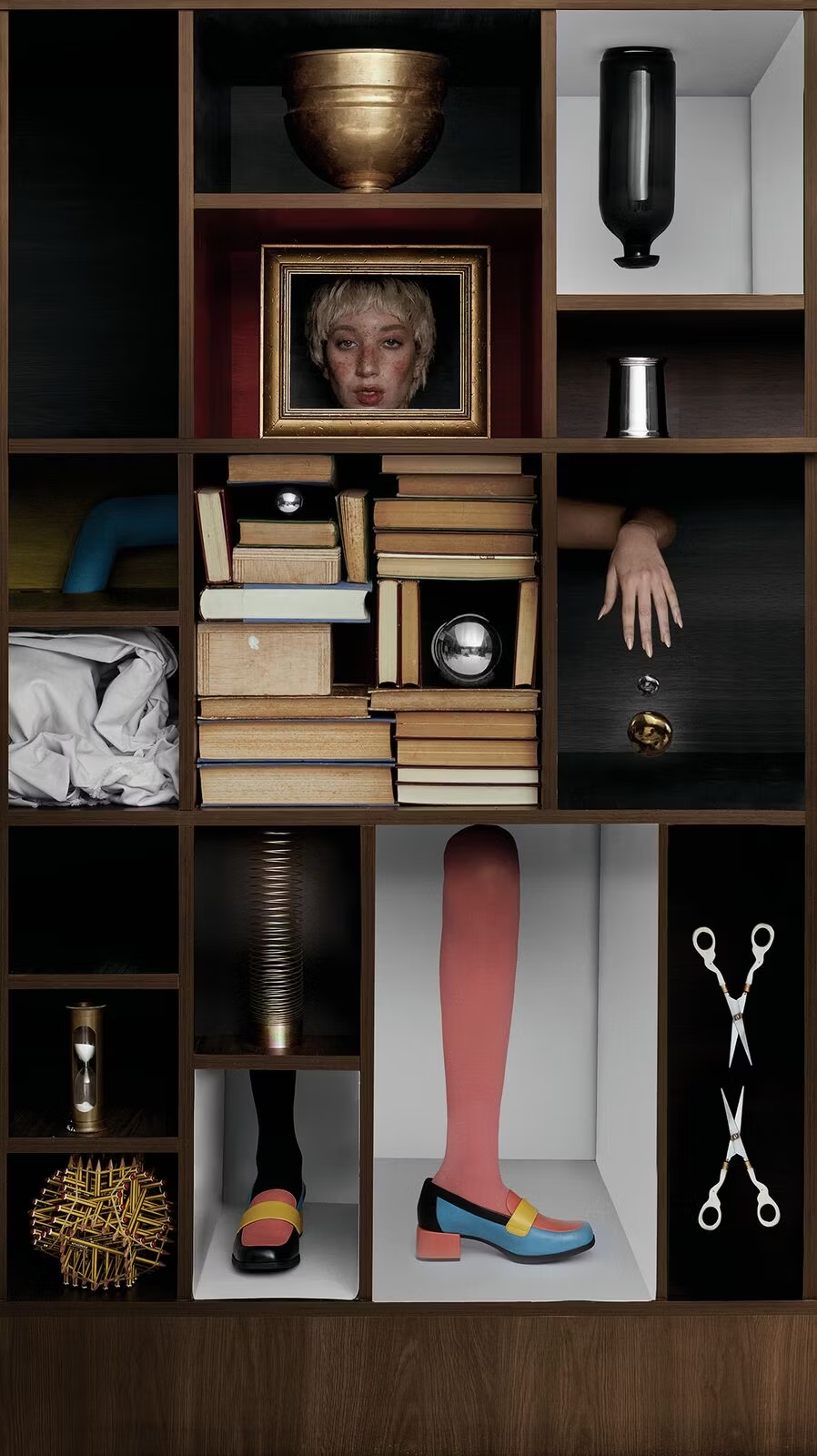
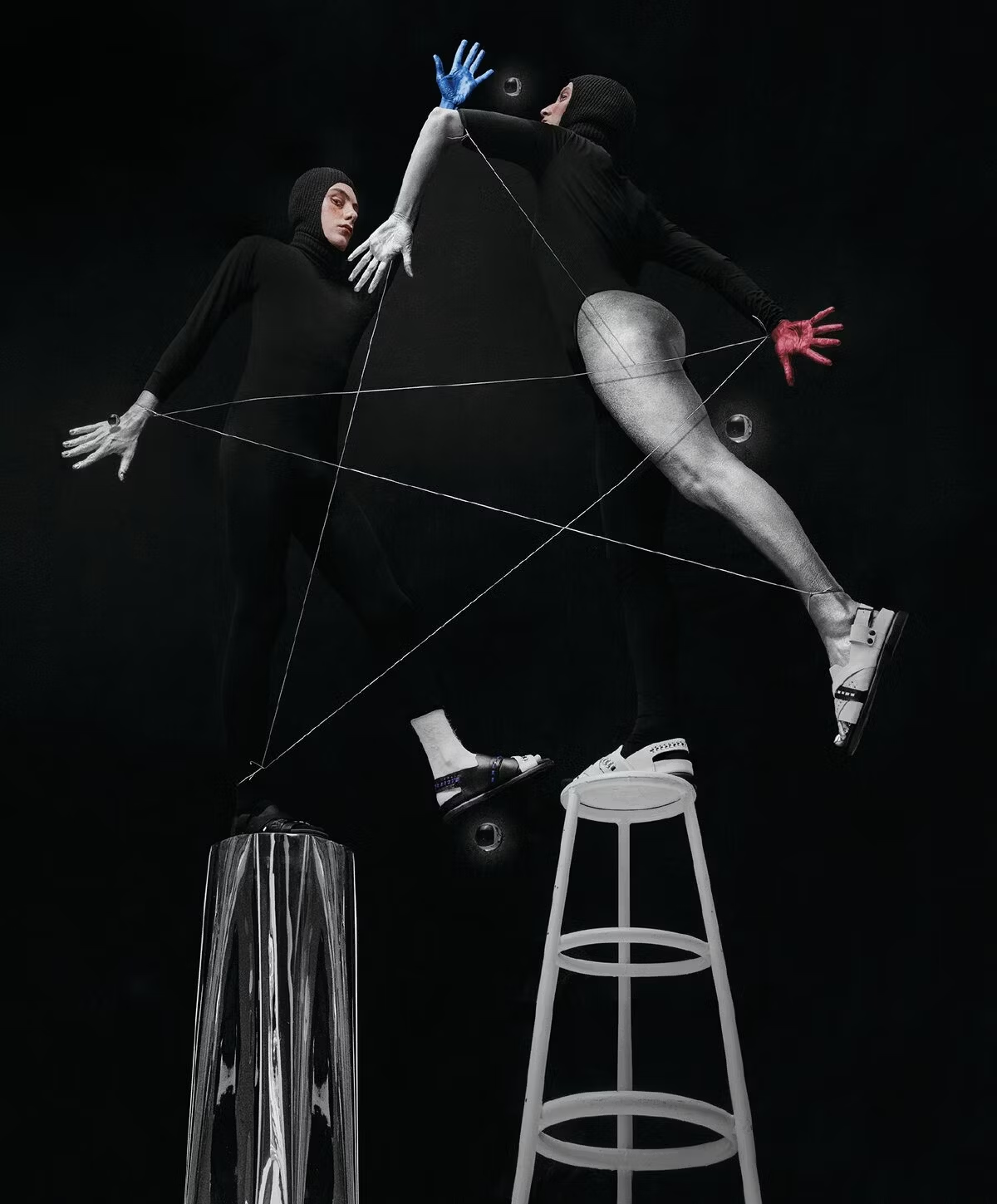


At the core of his method lies an obsession with the body. The human figure, in Custic’s work, is not sacred or stable—it’s elastic, modular, endlessly reprogrammable. He sculpts faces and limbs from silicone, distorts them through digital software, or mirrors them into infinity. In doing so, he dismantles our assumptions about identity and selfhood. His figures aren’t idealized—they’re prototypes of a post-human condition. Custic isn’t predicting a dystopian future; he’s showing us the one we already inhabit.

But to reduce his work to “digital surrealism” would miss the point. Custic’s art is not about escaping reality; it’s about expanding it. He uses technology as a brush, not a barrier. His practice is a form of contemporary spirituality—seeking transcendence through artificial means, searching for the divine within data. In this way, he mirrors the anxieties and desires of a generation raised online: those who look for meaning in a cloud of pixels, and who turn to the digital not to disconnect, but to feel seen.
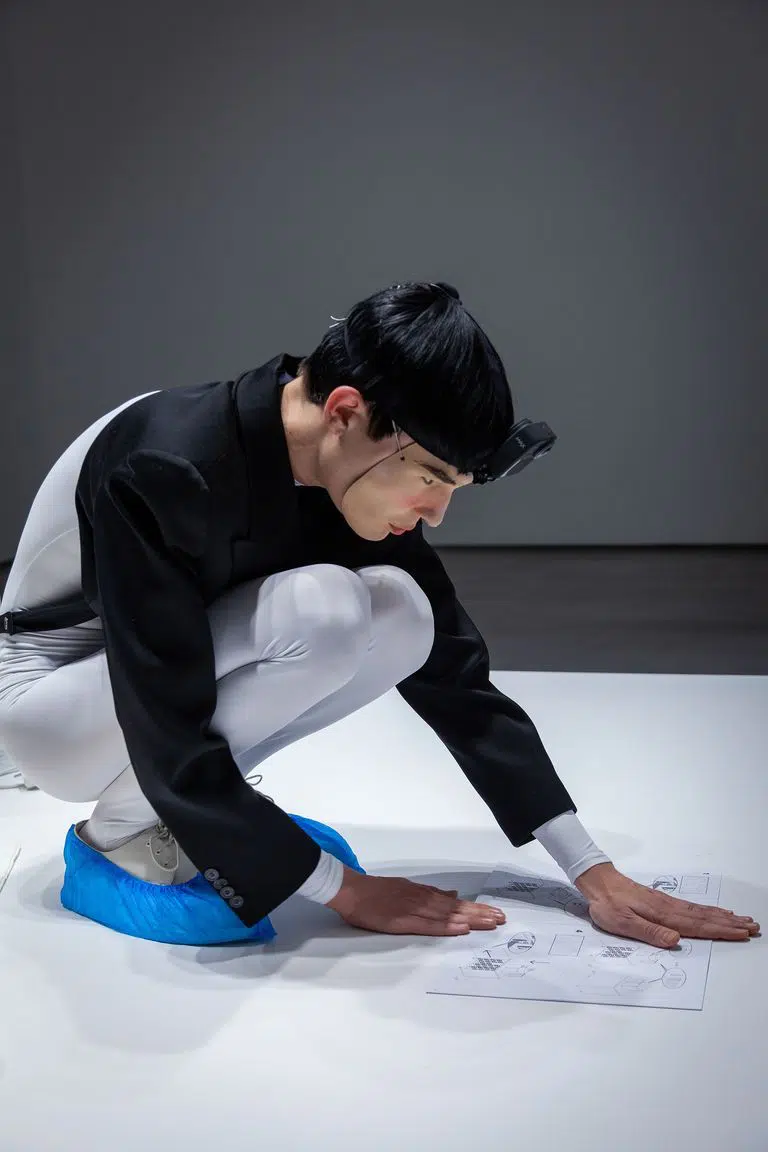


Today, Custic’s exhibitions span continents—from Madrid to Tokyo to New York—and his work continues to evolve with each iteration. His recent installations explore the concept of “human as product,” examining how we package, brand, and perform our identities for digital consumption. In his world, everything is interconnected: art, commerce, emotion, and code. The artist becomes both subject and object, creator and creation.

What makes Filip Custic one of the defining artists of our time is his ability to humanize the digital. Where others see technology as cold or alienating, he finds warmth, humor, and vulnerability. He doesn’t reject the age of simulation—he bends it, reshapes it, and makes it speak the language of feeling. His art reminds us that even in an algorithmic world, the human spirit refuses to disappear.


For a generation searching for meaning between the physical and the virtual, Custic offers a mirror—not one that flatters, but one that reveals. In his universe, we are all fragments: part flesh, part code, part dream. And in that fragmentation lies a strange kind of beauty—the beauty of being human in a world that’s constantly being reimagined.


Comments