
Bob Bicknell-Knight: When the Internet Escapes the Screen
- Mar 6
- 2 min read
Updated: Mar 8
Some artists paint landscapes. Others paint portraits. Bob Bicknell-Knight paints the strange psychological terrain of the internet age — and increasingly, he builds it in sculpture. The British artist has developed a practice that explores how digital environments, video games, and online systems quietly shape the rhythms of our daily lives. Working across painting, installation, moving image and sculpture, Bicknell-Knight creates works that feel like pieces of the digital world that have glitched into physical reality.

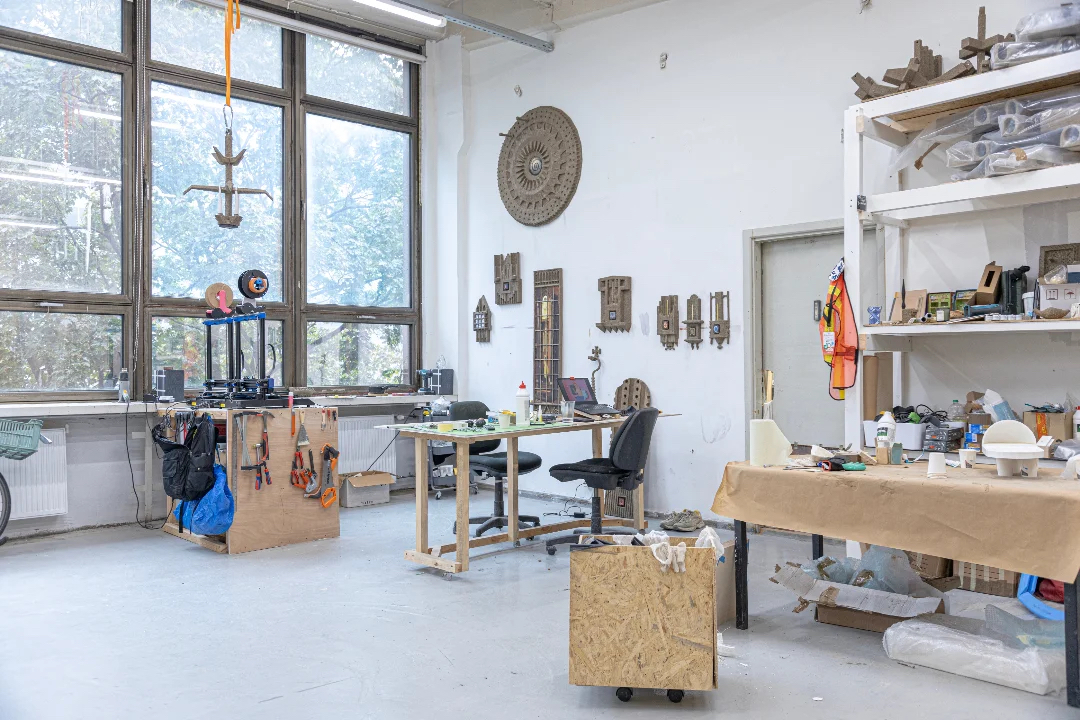
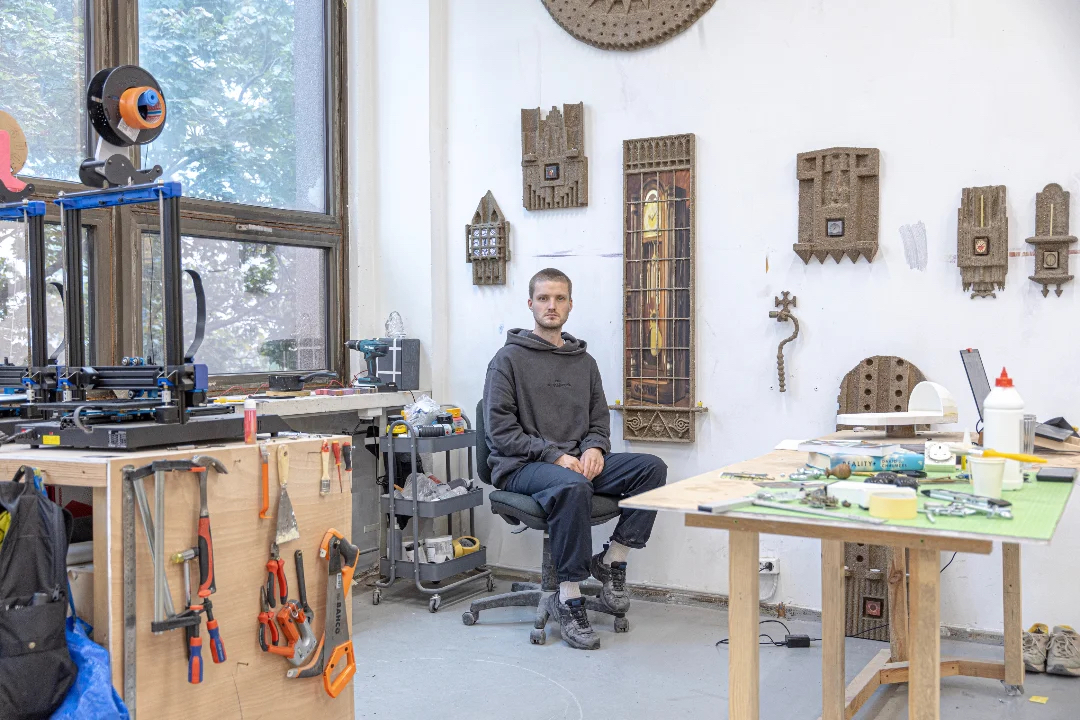
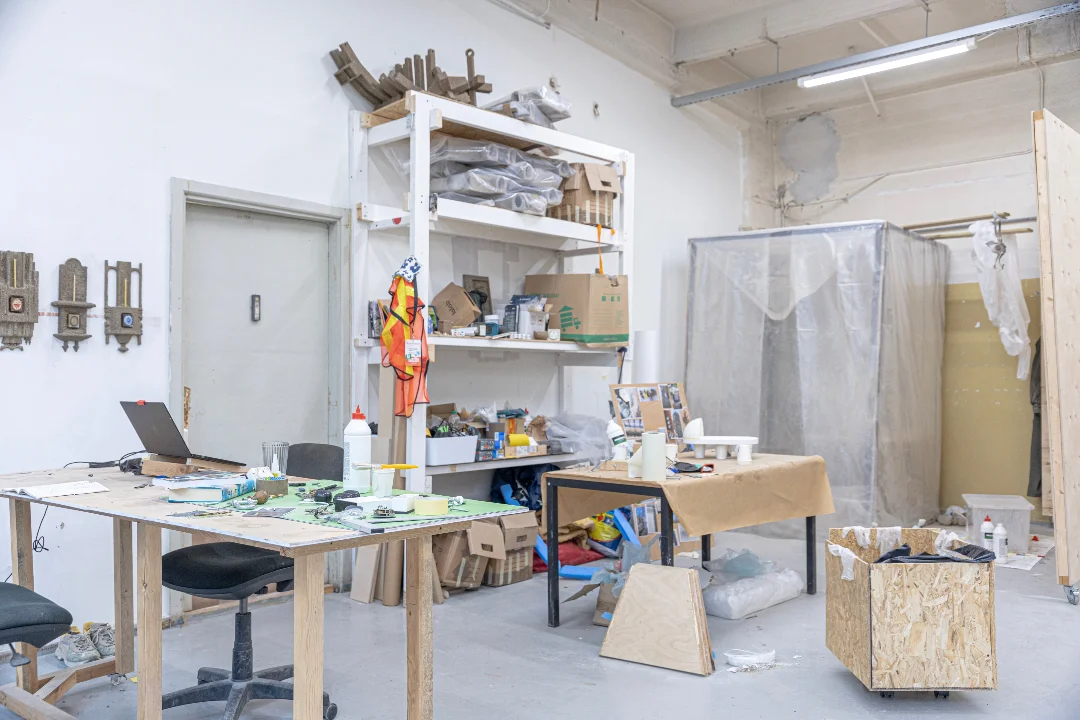
While his paintings often reference the aesthetics of gaming environments or virtual landscapes, it is his sculptural work that most clearly reveals his fascination with the mechanics behind digital culture. Bicknell-Knight frequently takes objects that exist only in virtual spaces — game props, digital artefacts, interface fragments — and translates them into real-world forms. The result is strangely compelling: objects that feel both familiar and slightly uncanny, like props from a video game that have somehow materialised in a gallery.
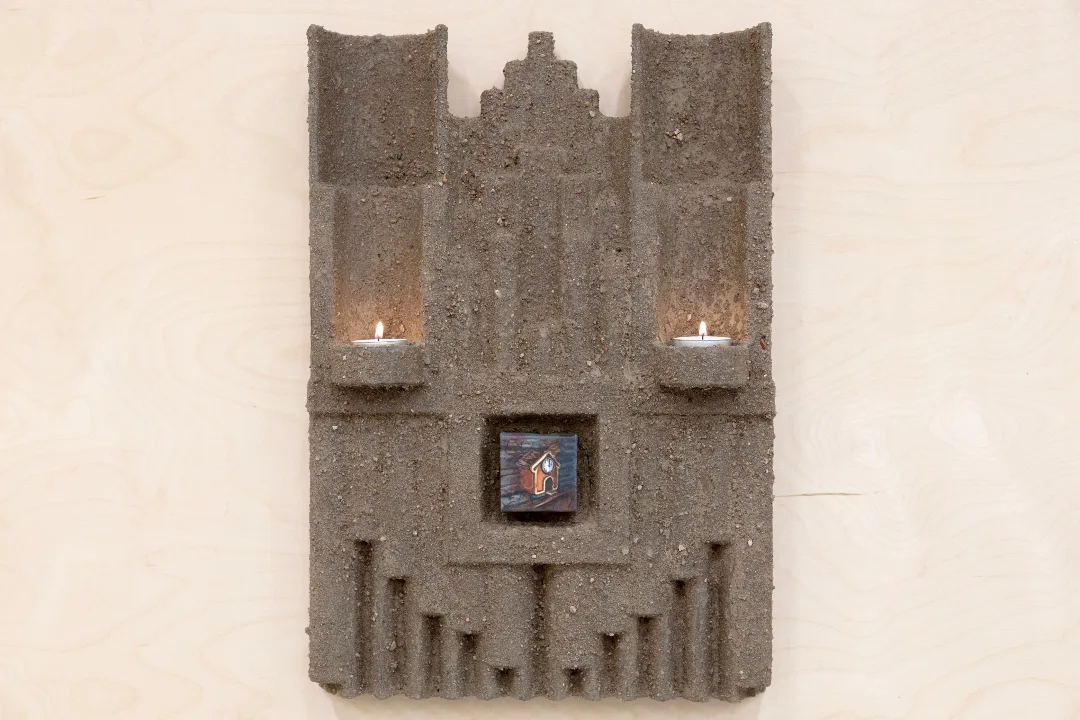
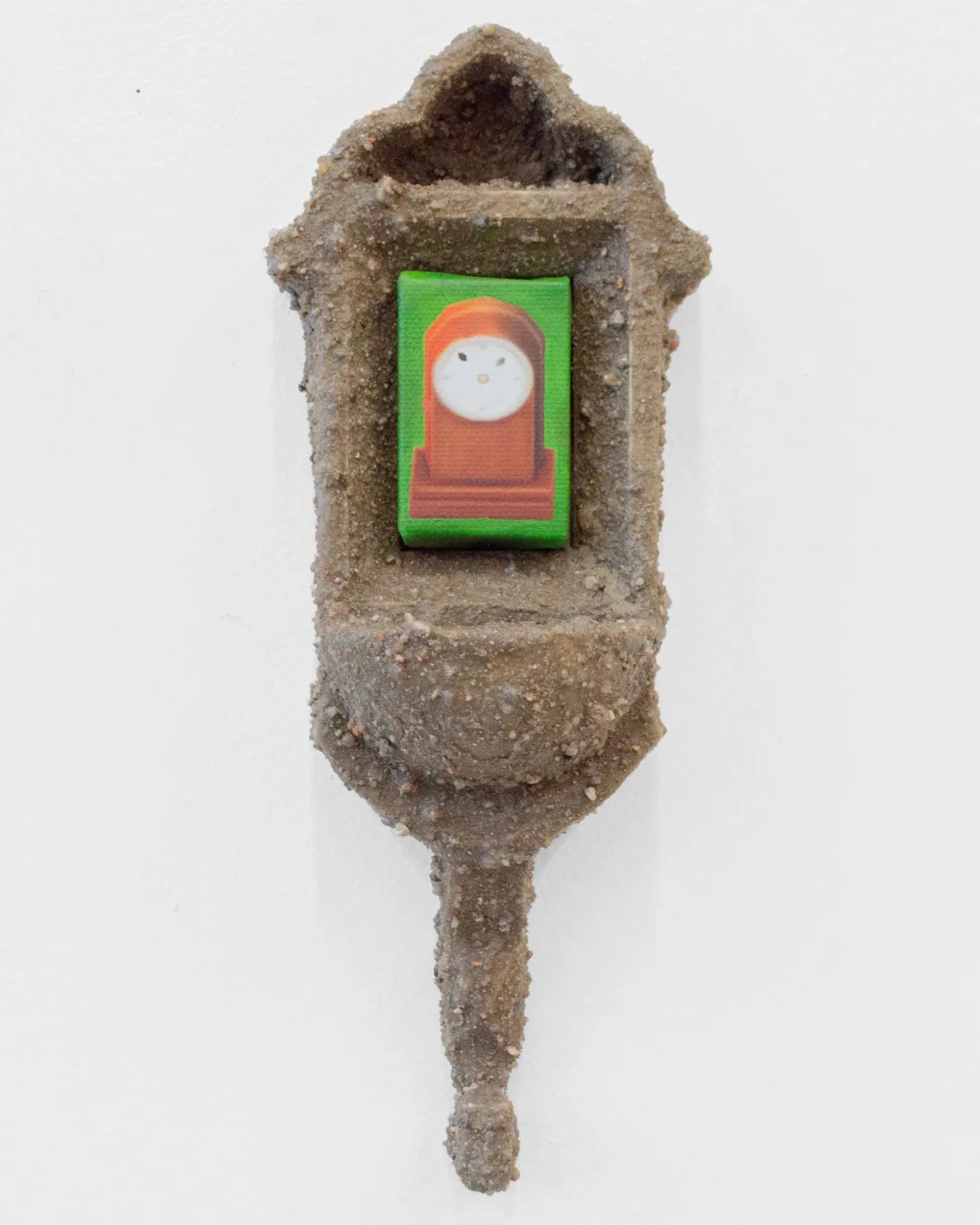


His sculptures often play with scale and material. Objects that would normally exist as pixels become heavy, tactile structures. Interfaces designed for screens appear as sculptural surfaces. Through this process, Bicknell-Knight exposes the invisible architecture behind the digital worlds we spend so much time inhabiting.
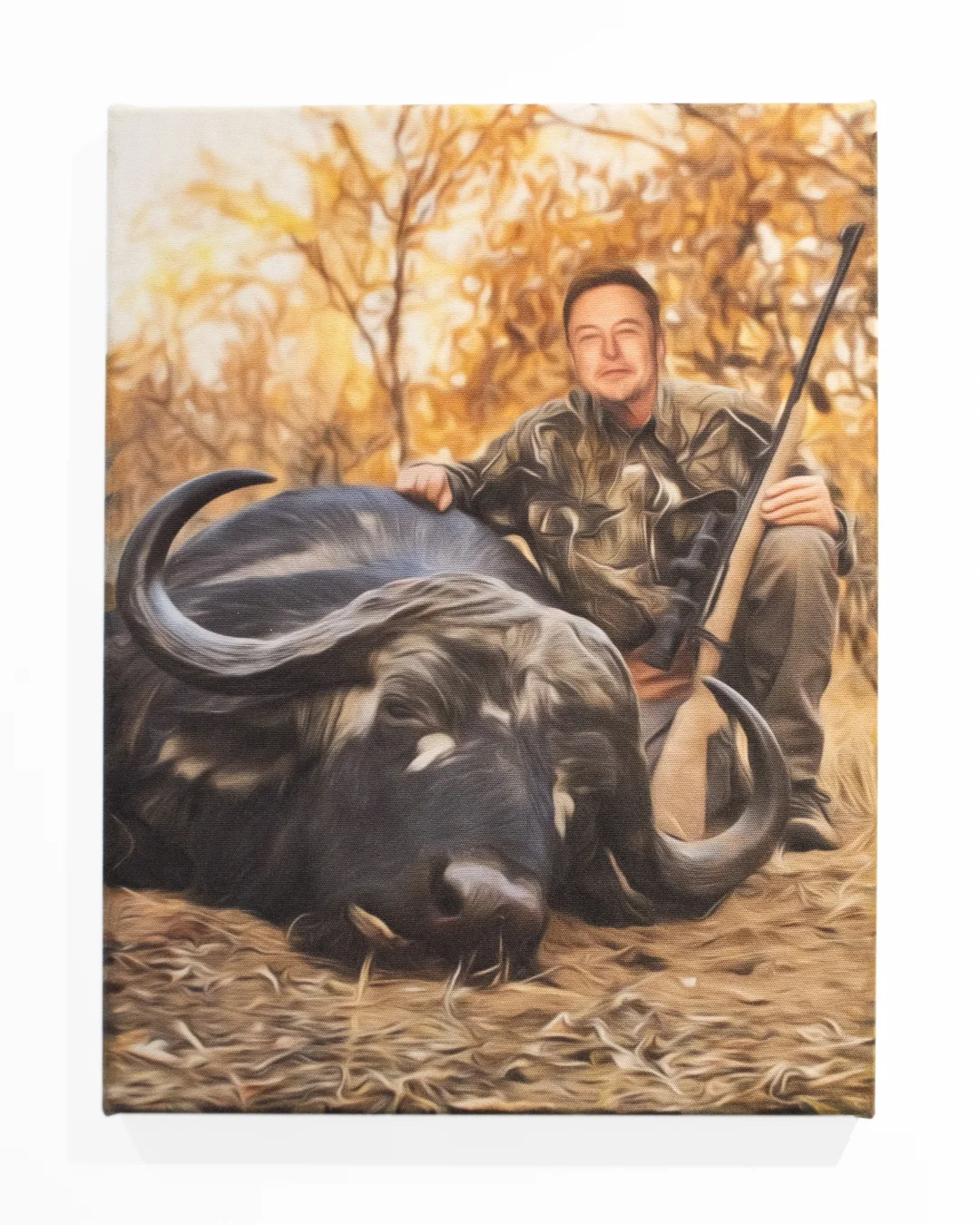
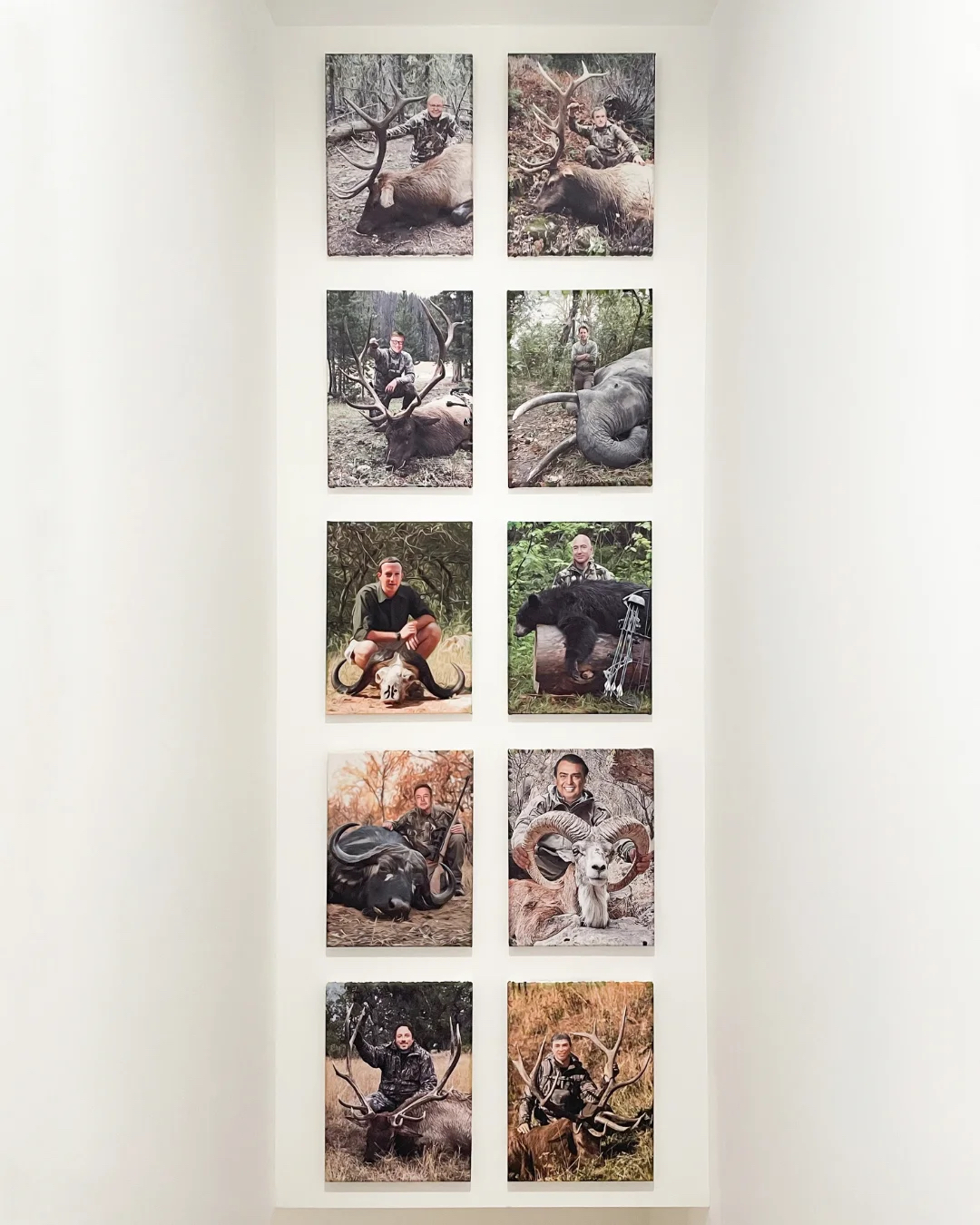
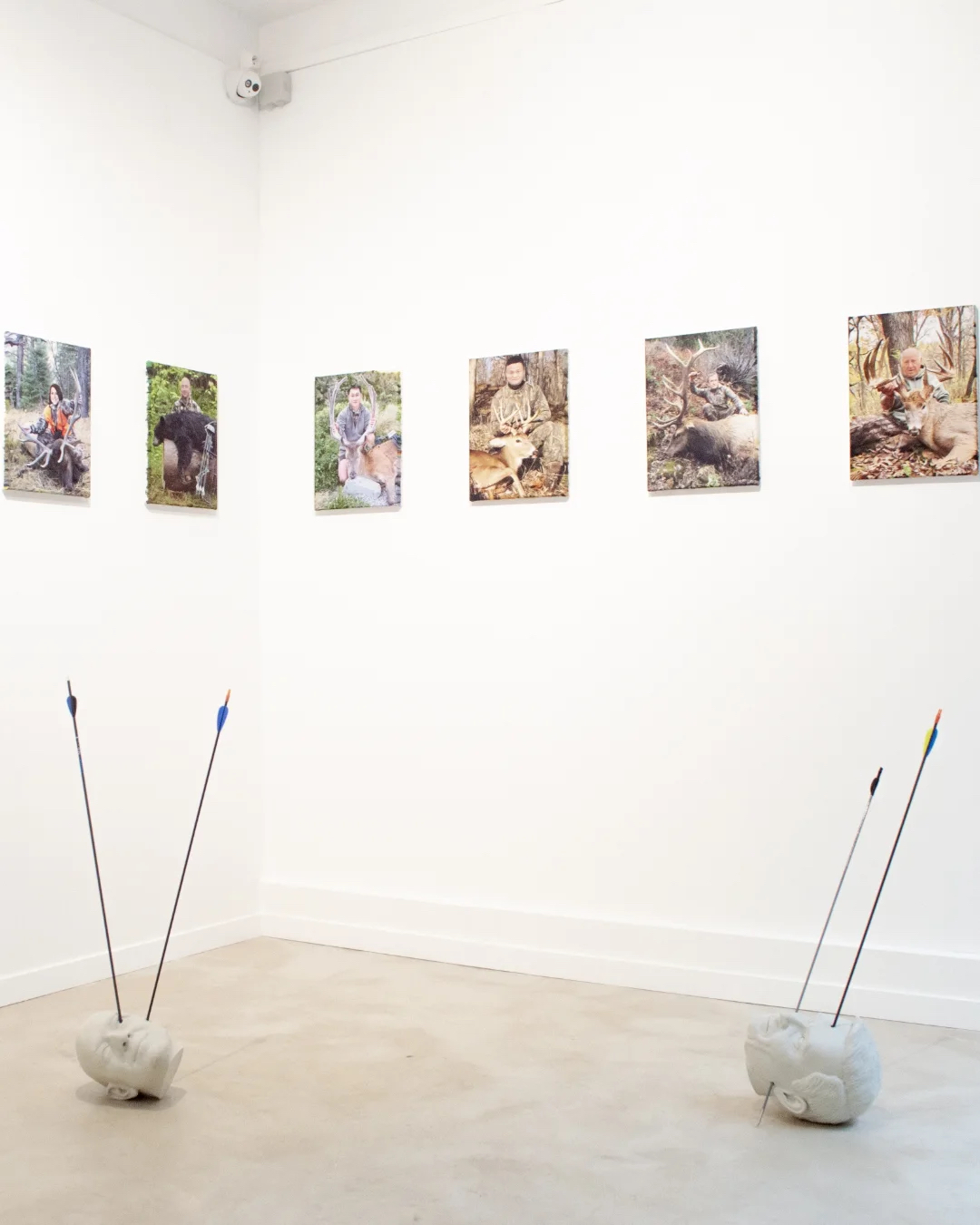
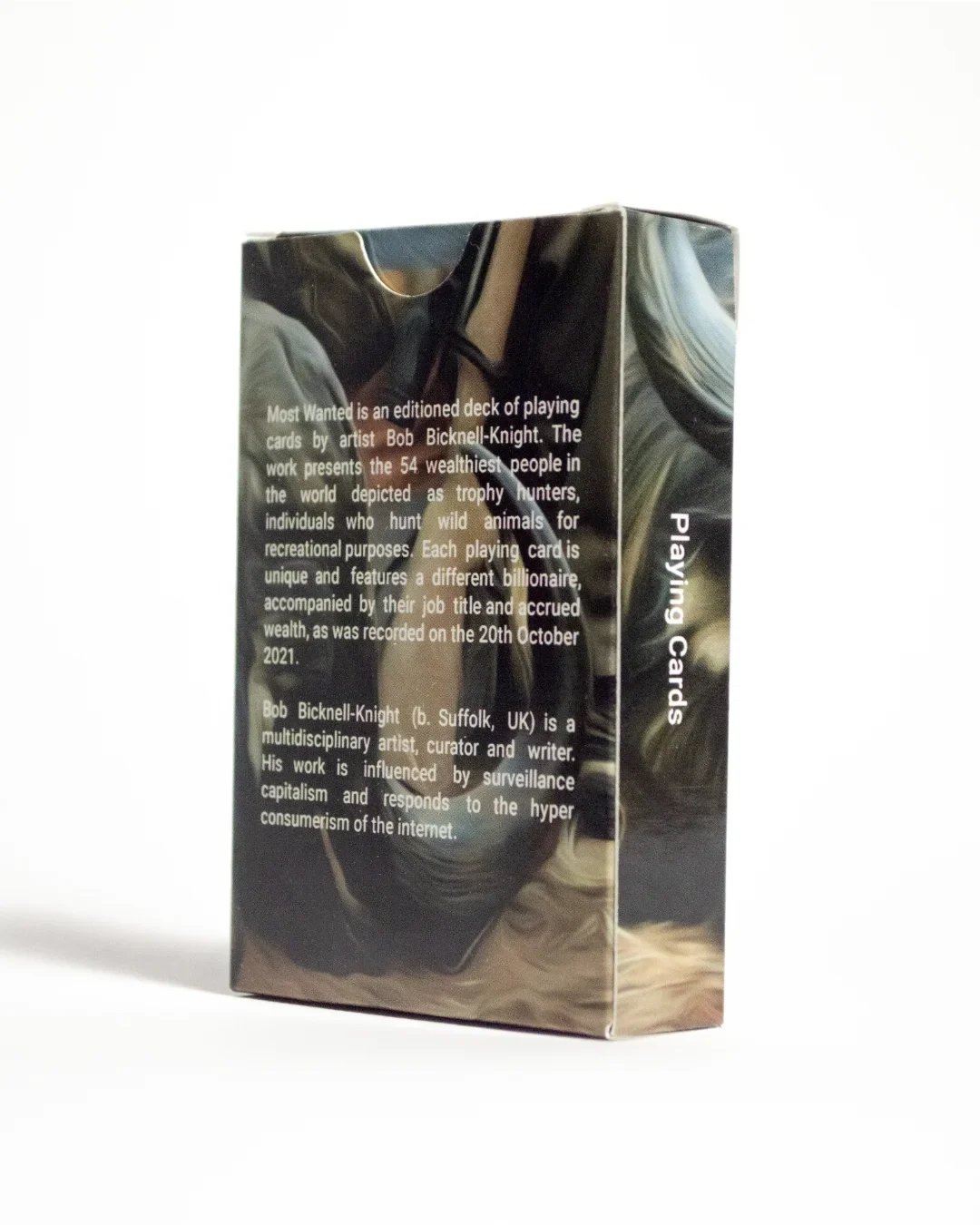
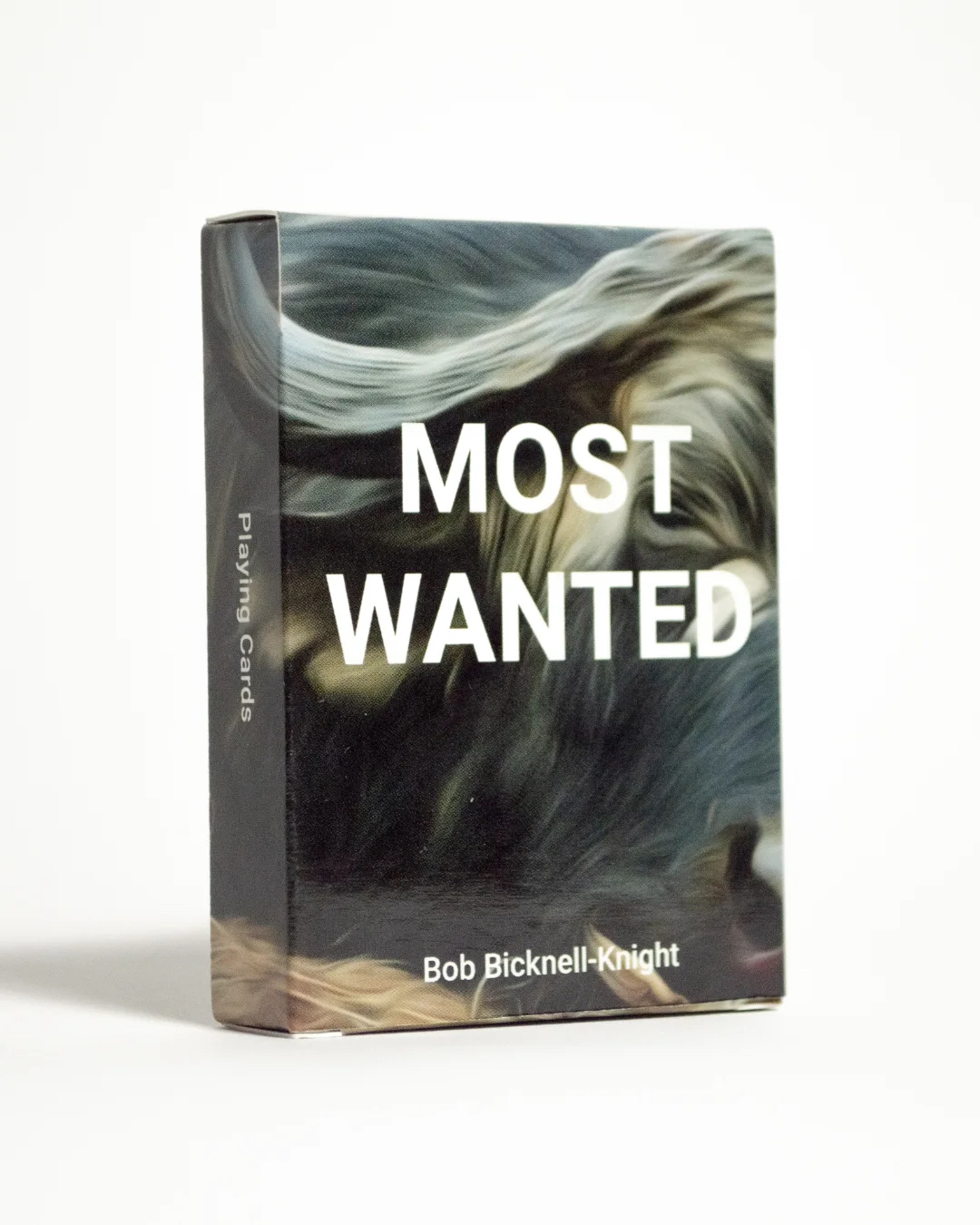
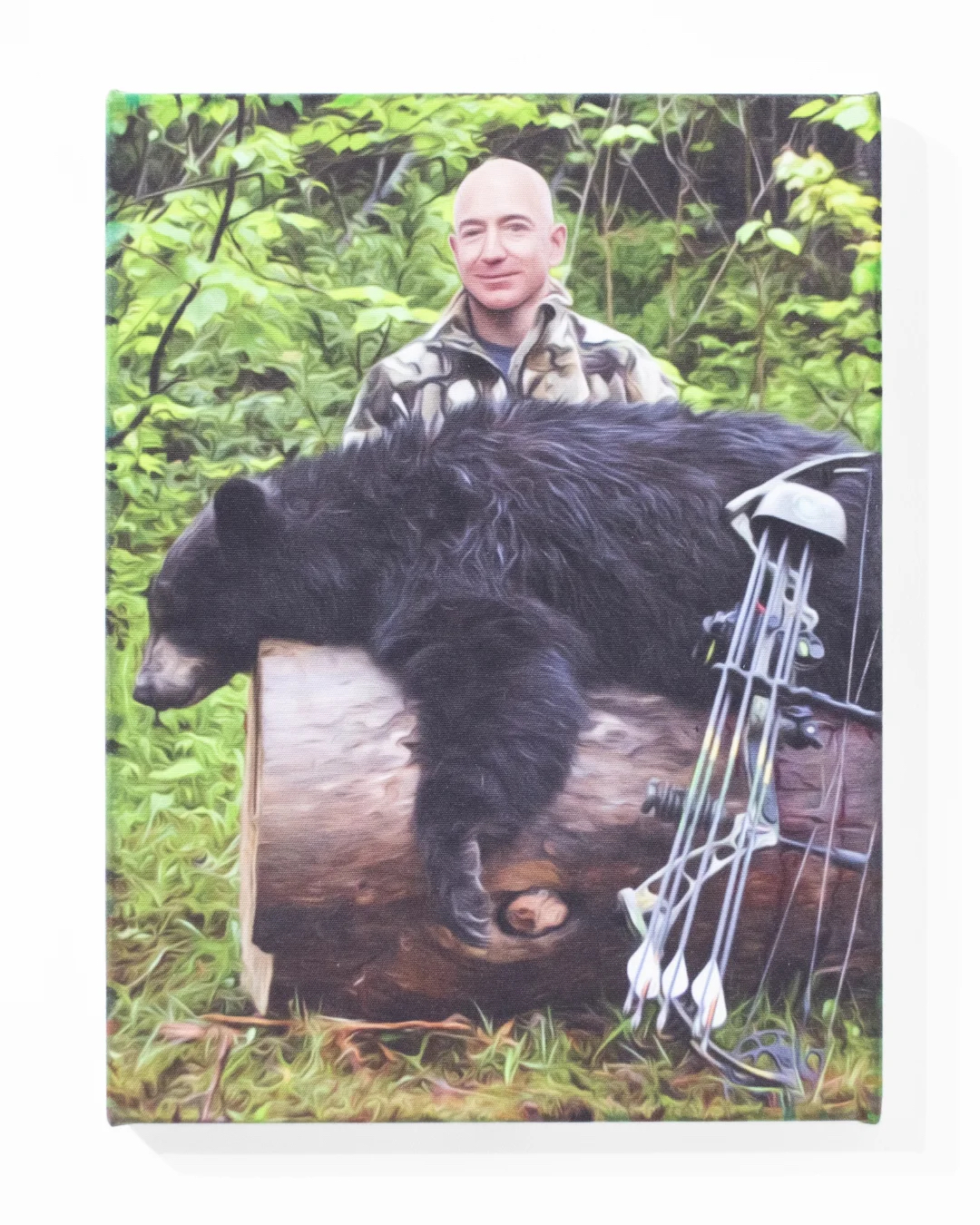
A recurring theme in his work is the concept of programmed behaviour. In video games, “NPCs” — non-player characters — operate within fixed routines, repeating actions and dialogue indefinitely. Bicknell-Knight uses sculpture and installation to explore this idea in the real world, building environments that echo those systems of repetition and control. The sculptures become physical metaphors for the loops we all find ourselves in: work cycles, social media patterns, notification feedback, digital reward systems.

Many of his sculptural pieces feel like fragments from a future archaeological dig — relics from the early internet age. Gaming culture, digital economies and online architecture are reimagined as strange artefacts, preserved in materials that give them unexpected weight and permanence.

There is also a sly humour running through the work. Bicknell-Knight is deeply aware of the absurdity embedded in modern digital culture: the endless gamification of everyday life, the invisible algorithms shaping behaviour, the strange emotional relationships we form with virtual environments. His sculptures exaggerate these systems just enough to reveal their oddness.

Alongside his studio practice, Bicknell-Knight has also supported a wider community of artists exploring similar themes. In 2016 he launched isthisit?, a platform dedicated to showcasing work that examines the intersection of art, technology and internet culture. What began as an experimental initiative has grown into an international platform connecting artists working across digital and physical mediums.

What makes Bicknell-Knight’s work particularly compelling is how clearly it reflects the moment we are living through. As our lives become increasingly mediated by screens, code and algorithms, his sculptures ask a simple but unsettling question: when the internet begins shaping the real world this much, where exactly does the digital end and reality begin?


Comments