
Arnolds Andersons Latest Adrenalin Fix
- Christopher McCrory

- Oct 7, 2025
- 4 min read
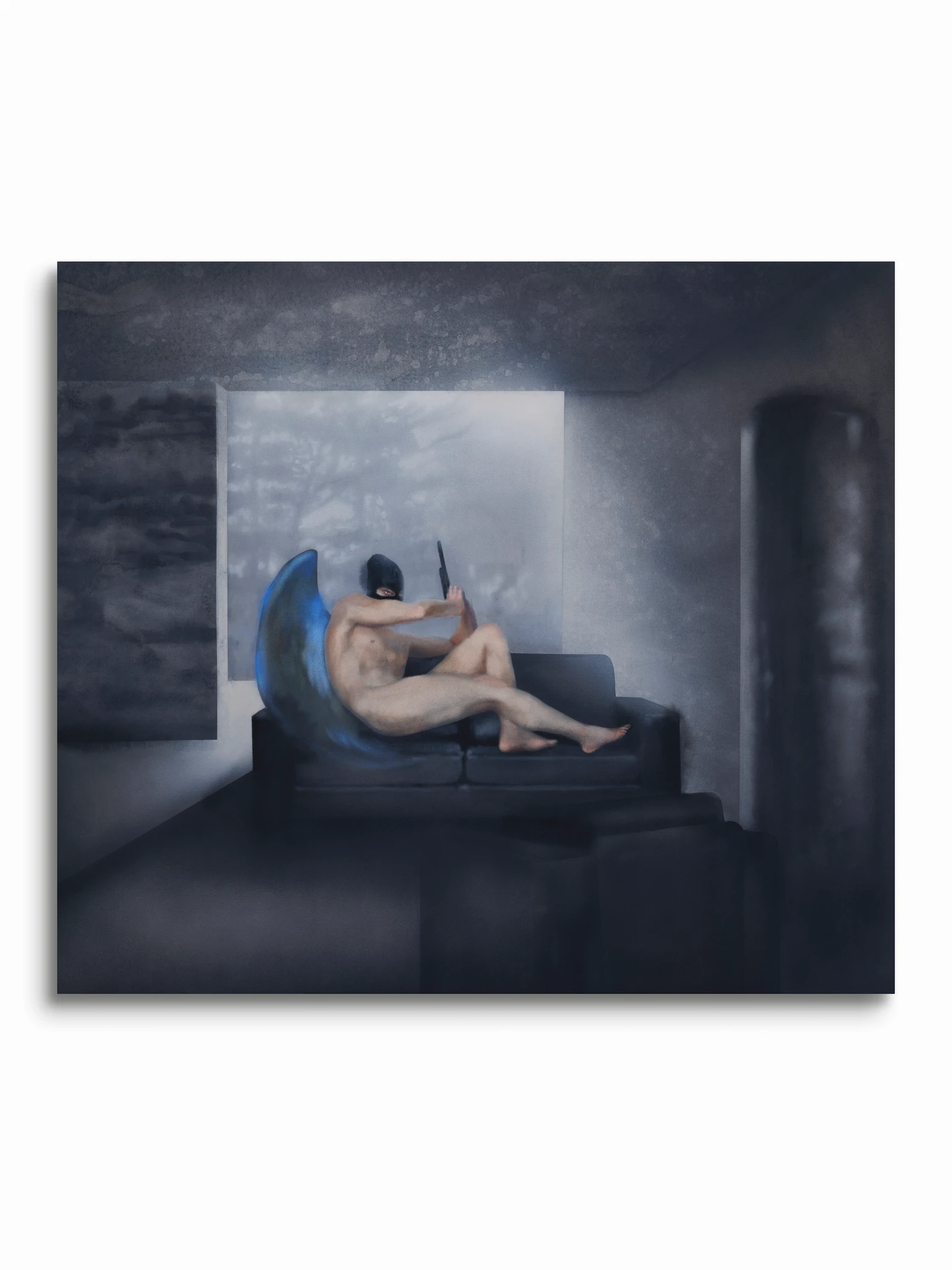
Arnolds Andersons (b. 1991, Riga, Latvia) is a London-based visual artist whose work delves into themes of identity, memory, and the complexities of post-Soviet society. Graduating with a BA in Product Design from Kingston University in 2014, Andersons has since exhibited internationally, with solo shows in Riga, Seoul, Chicago, and London. His art often reflects the tension between surface glamour and underlying decay, portraying anonymous figures that seem both part of and alien to their surroundings. This approach offers a sense of loneliness and tranquility, characterised by distinct architectonic lines and flat coloured surfaces.

In his 2025 solo exhibition "ADRENALIN" at ASNI in Riga, Andersons revisited his childhood memories of 1990s Riga, a time marked by the collapse of the USSR and the rise of complex criminal networks. Through his paintings, he explored the glamorous yet perilous world of the criminal underworld, capturing the essence of this intriguing period. The exhibition delved into themes of power, subjugation, and the sexualised gaze, reflecting on the 'legendary' decade through a blend of nostalgia and stark reality.
Andersons' work is held in notable collections, including the Noewe Art Foundation, and he was awarded the Special Prize at the XI Young Painter Prize in 2019. His art continues to resonate with audiences, offering a poignant exploration of personal and collective histories. If you could time-travel back to ‘90s Riga for just one night, where are we going and what are we wearing?
If I could time-travel back to 1990s Riga for just one night, I'd immerse myself in the raw energy of the city's underground scene. We'd head to a venue reminiscent of the Untamed Fashion Assembly, an avant-garde festival that epitomised the era's spirit of non-conformity and creative freedom. We are wearing oversized black leather jackets, golden chain necklaces and Versace black sunglasses a total gangster look at the time.

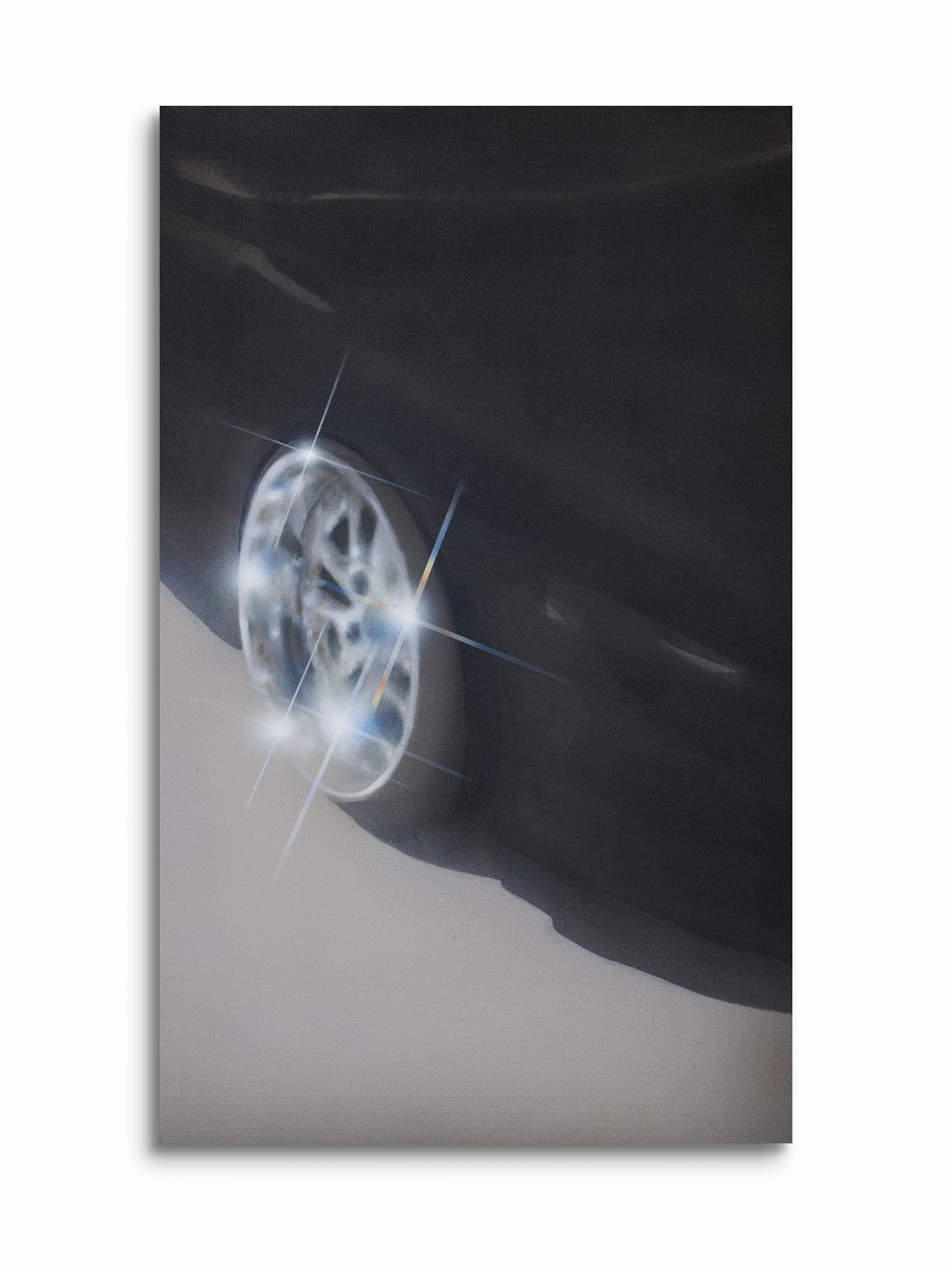
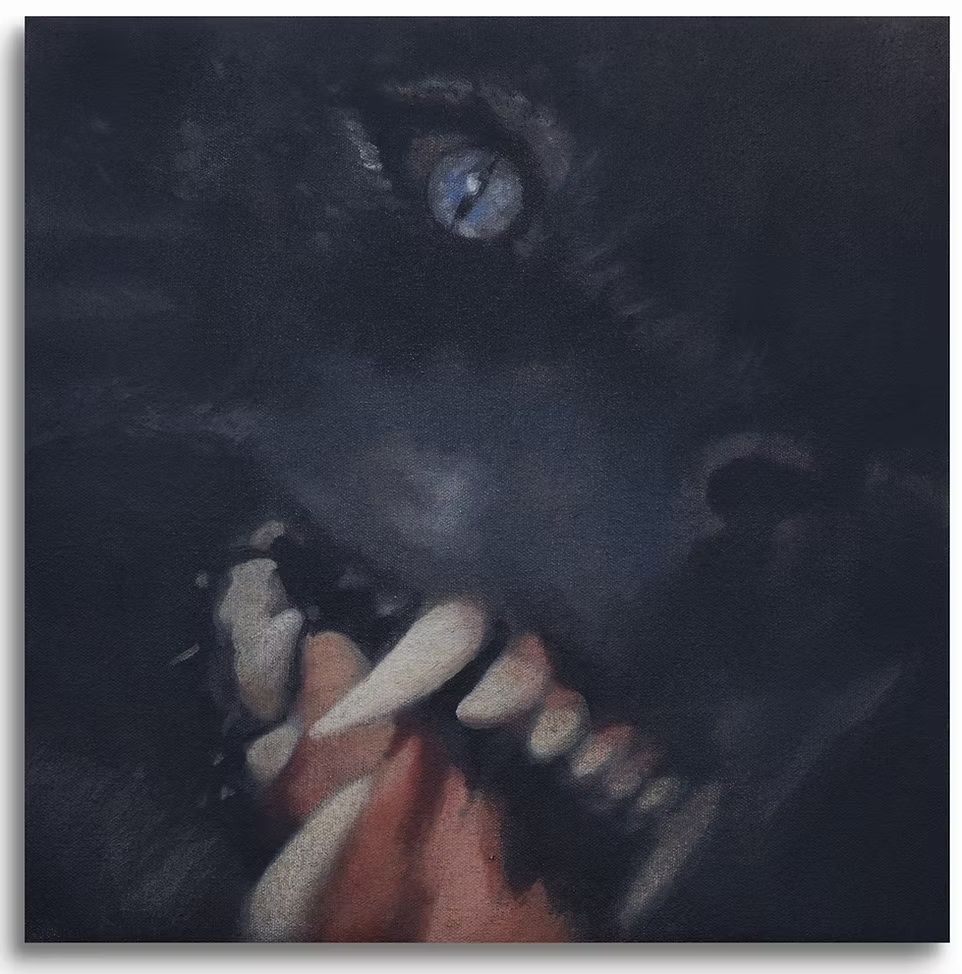
Your paintings have this moody, cinematic vibe — who would play your characters if they came to life in a film?
If my paintings were adapted into a film, the casting would reflect the moody, cinematic essence of my work, which often delves into themes of identity, transformation, and the complexities of human emotion. The characters in my art, influenced by the gritty yet glamorous world of 1990s Riga and the criminal underworld, would be portrayed by actors capable of conveying depth, vulnerability, and resilience.
There’s always this tension in your work — between beauty and grit, glam and danger. What draws you to that in-between space?
The tension between beauty and grit, glamour and danger, is a space I find endlessly compelling. Growing up in post-Soviet Riga, I witnessed firsthand how elegance often coexisted with hardship. This duality shaped my perception of the world and, consequently, my art. In my paintings, I aim to capture this interplay. The allure of a polished surface juxtaposed with underlying decay reflects the complexities of identity and experience. It's in this in-between space that I explore themes of vulnerability, resilience, and the human condition.

Your backgrounds are giving major set design energy — do you ever start with the space first and then invite the characters in?
Absolutely. The environment often comes first in my creative process. I envision a space—a dimly lit alley, a neon-soaked room, or an expansive, desolate landscape—and build the narrative around it. These settings are more than backdrops; they set the mood and context for the characters, allowing their stories to unfold organically within these crafted worlds. The spaces I create are integral to the storytelling, often reflecting the internal states of the characters and inviting viewers to immerse themselves in the scene.
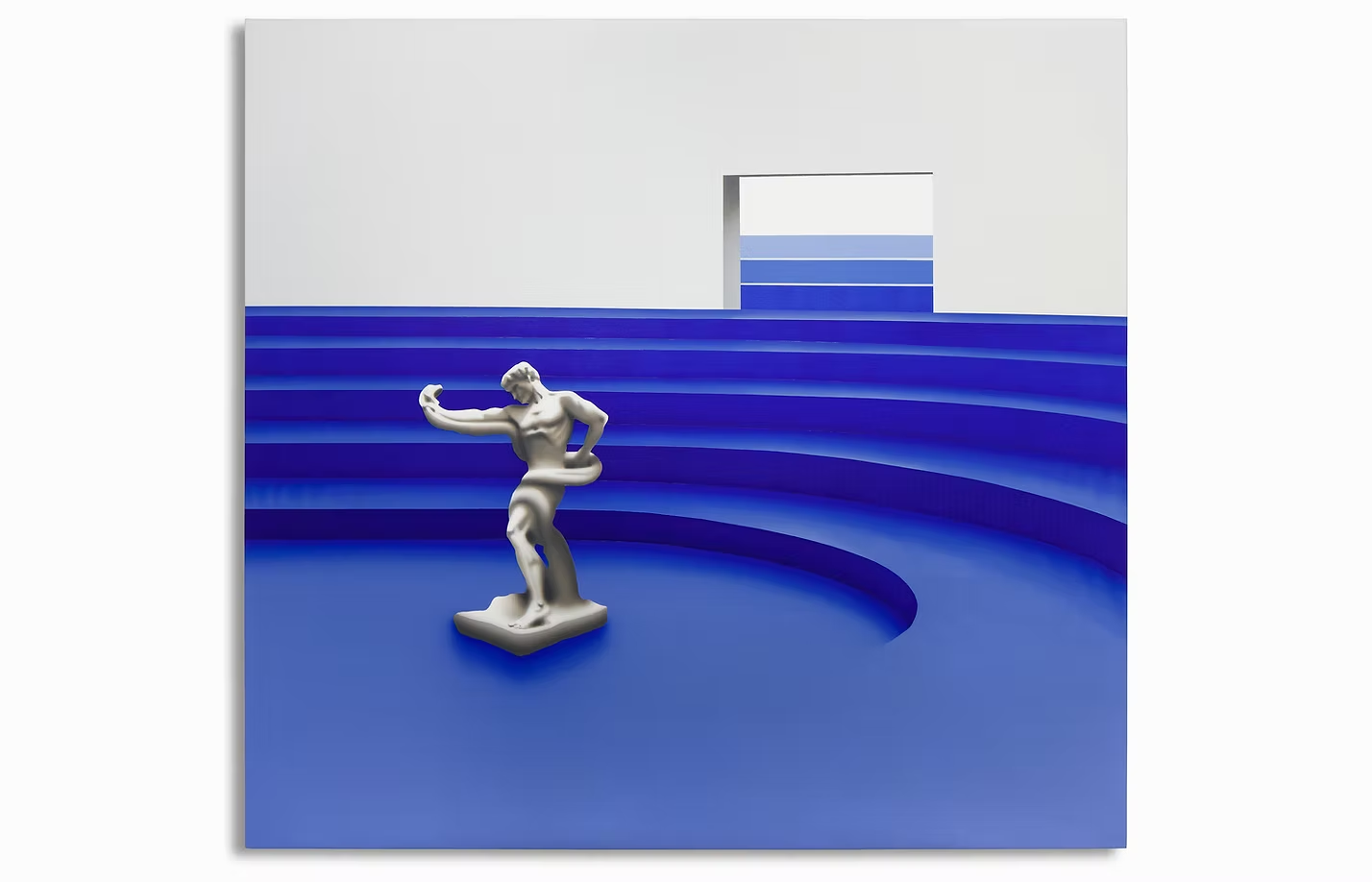
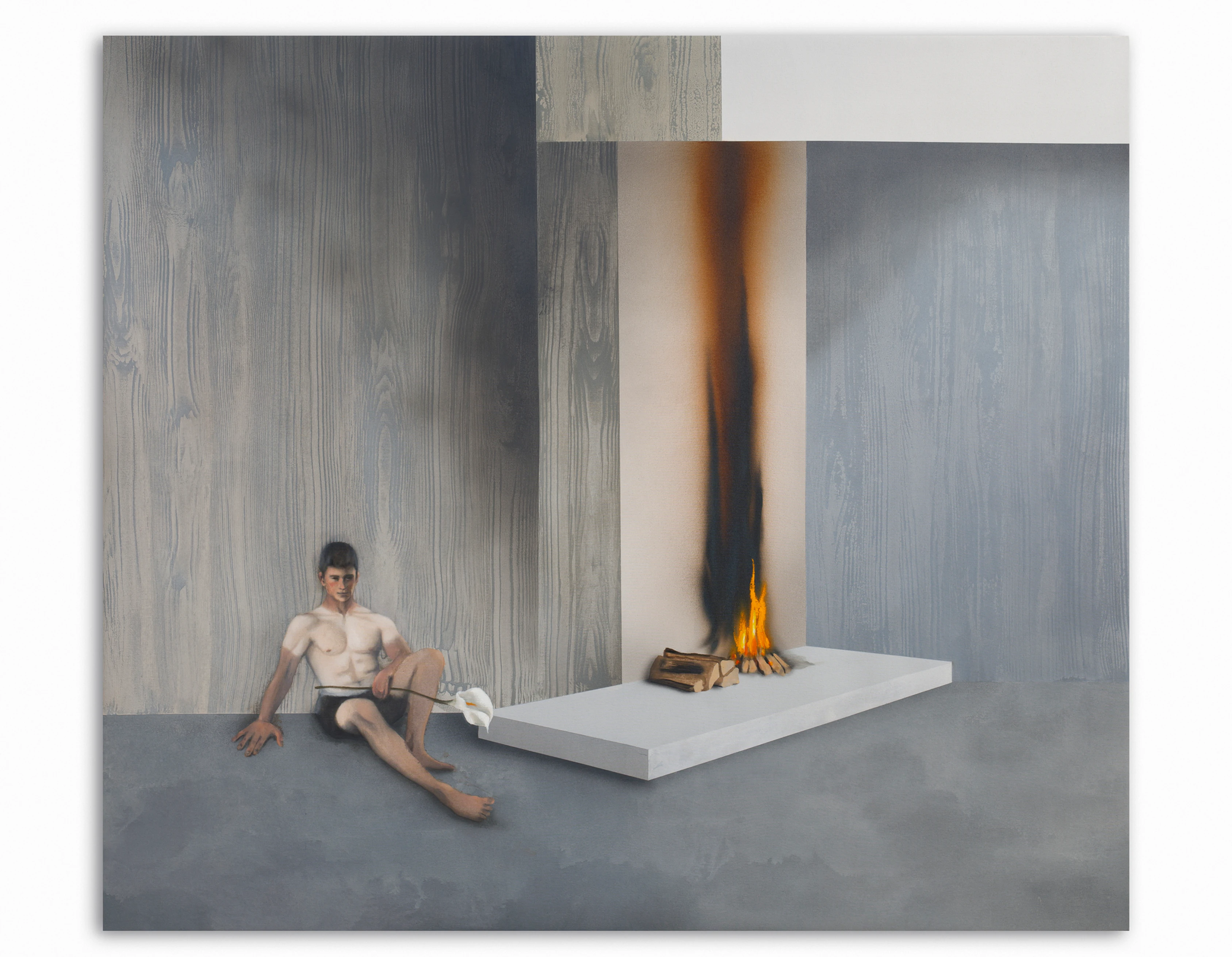
From Seoul to Chicago to Riga — how does jet-setting affect your art brain? Any culture shocks that stuck with you?
Traveling between cities like Seoul, Chicago, and Riga has profoundly influenced my artistic perspective. Each city offers a unique cultural landscape that challenges and enriches my creative process. In Seoul, the juxtaposition of rapid modernization with deep-rooted traditions presented a compelling contrast. The city's vibrant energy and aesthetic sensibilities prompted me to explore themes of identity and transformation in new ways. Chicago's architectural grandeur and dynamic art scene introduced me to diverse narratives and artistic expressions. The city's rich history and cultural diversity encouraged me to delve deeper into the complexities of urban life and human emotion.

What’s the weirdest compliment you’ve ever gotten about your work?
One of the most memorable compliments I've received about my work was when someone said, "Your paintings feel like a dream I had, but I can't tell if it was beautiful or terrifying." That ambiguity resonates deeply with me.
If your last exhibition ADRENALIN had a signature cocktail, what would be in it?
It would be called the "Black Market Martini" - a bold, moody drink that captures the raw glamour and tension of 1990s Riga as portrayed in the exhibition. Or anything with Vodka in it as underworld’s favourite spirit.
You studied product design before diving into fine art — do you ever look at a painting and think, “This could be a sofa”?
Rather than envisioning a painting as a piece of furniture, I see it as a vessel for storytelling and introspection.



Be honest — do your anonymous figures have names in your head? Or do they just float around being mysterious?
Most of the figures in my paintings remain unnamed, living mysteriously within the compositions. They are anonymous silhouettes that appear to be part of and yet alien to their surroundings, offering loneliness and tranquility in a self-sufficient way. This intentional ambiguity allows viewers to project their own narratives onto the characters, making each encounter uniquely personal.
What’s one totally random thing inspiring you right now — like a music video, a billboard, a pigeon on the street?
At this day and age, the gym inspires me as a transformative space where you can reshape not just your body but also your identity. It's a place where the lines between strength and vulnerability blur, allowing for introspection and personal growth.
In my recent work, I've been exploring how gym culture intersects with themes of masculinity and self-perception. The gym becomes a stage where societal expectations are both confronted and performed, revealing the complexities of modern identity.


Comments